Key Points:
• Social skills lessons help children with autism build daily-life communication and interaction abilities.
• Structured, consistent activities support improving social interaction in autism across home, school, and community.
• Teaching social skills in autism works best when lessons target play, communication, perspective-taking, emotional understanding, and real-life practice.
When a parent searches for social skills lessons for children with autism, it often comes from a place of worry. Maybe spontaneous play doesn’t come easily. Maybe conversations are confusing, or your child prefers to play alone. Or you may have noticed challenges your child faces in reading facial expressions, sharing, taking turns, or joining groups at school.
This article is here to give you clarity. You’ll learn what social skills lessons look like for children with autism, why they matter, and how they’re taught in practical, step-by-step ways. You’ll also find specific strategies, activity ideas, and guidance grounded in how ABA therapy supports social communication in autism in natural, meaningful settings.
The goal is simple: to help you understand the full landscape of social learning so your child can build confidence, connection, and independence.
Understanding Why Social Skills Matter for Children With Autism
Social skills are learned abilities that help people communicate, play, understand emotions, and participate in everyday interactions. For many autistic children, these skills don’t develop automatically.
Social skills autism children may need to work on include:
• reading facial expressions
• making eye contact comfortably
• joining group play
• asking for help
• problem-solving with peers
• understanding personal space
When parents seek teaching social skills and autism strategies, what they really want is for their child to feel comfortable, accepted, and confident. Effective autism social communication lessons give children clear pathways for understanding the social world and practicing it at their own pace.
How ABA Helps Structure Social Skills Lessons
ABA therapy plays a central role in improving social interaction in autism because it breaks down big, abstract skills into manageable steps. Instead of assuming a child will “pick things up,” ABA uses structured teaching to help each child understand what to do and why.
Social communication that autistic kids learn through ABA may include:
• requesting and responding
• commenting within conversations
• turn-taking
• recognizing emotions
• navigating disagreements
• sharing materials during play
The strength of ABA is its ability to personalize learning. Every child receives lessons based on their unique communication level, preference, and learning style. Instead of one-size-fits-all worksheets or group drills, ABA therapists embed learning within real-world contexts—play, routines, and natural social moments.
Building the Foundation: Early Social Skills for Young Learners
Many autism social skills lessons start with foundational abilities. These early skills create the structure for more complex social behavior later on.
Joint Attention
Joint attention helps children share focus with another person. It’s one of the earliest indicators of social engagement.
Therapists may teach this through activities like:
• pointing to objects together
• following a peer’s gaze
• using gestures to direct attention
• engaging in simple back-and-forth playful routines
Joint attention supports language development, emotional connection, and social awareness.
Imitation Skills
Imitation is key to learning social behaviors.
Lessons include copying actions, sounds, facial expressions, and simple gestures.
These may be practiced through songs, dance, or everyday routines for autism play skills development.
Basic Play Skills
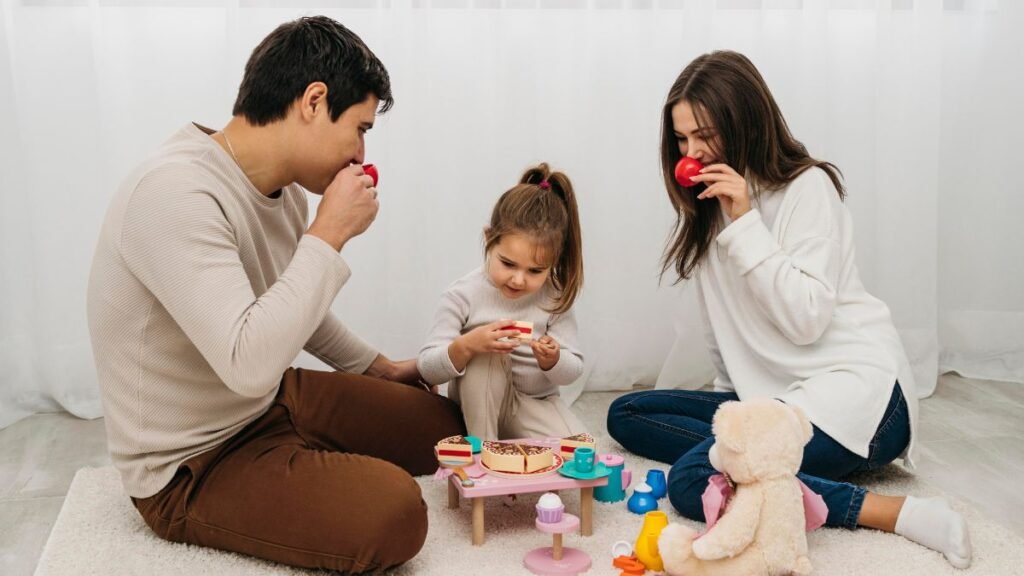
Play creates natural opportunities for social growth. ABA therapists teach how to:
• explore toys in meaningful ways
• build functional play sequences
• participate in turn-taking games
• engage in pretend play
Many children need explicit demonstrations and guided practice before completing these steps on their own.
Moving Beyond Basics: Social Skills Lessons for Growing Children
As children develop more foundational abilities, the next step is expanding their skills into more complex interactions.
Conversation Skills
Conversation doesn’t always come naturally for children with autism.
Social skill activities for autism often include:
• asking and answering questions
• commenting on a topic
• understanding when to talk and when to listen
• staying on topic
• learning flexible thinking during dialogue
Therapists often use visual guides, conversation cards, and role-playing to practice these skills.
Understanding Emotions
Reading and responding to emotions can be difficult.
Lessons target:
• interpreting facial expressions
• identifying emotions in self and others
• matching feelings to situations
• responding appropriately when someone is sad, frustrated, or excited
Emotion-regulation strategies are also taught, helping children recognize when they need sensory breaks, calming tools, or help from an adult.
Problem-Solving and Peer Conflict
Children benefit from structured guidance in navigating disagreements.
Autism social skills lessons often include:
• how to express needs
• how to negotiate (“Can I have a turn after?”)
• how to handle mistakes
• what to do when peers say “no”
• learning repair strategies (“I’m sorry,” “Let’s try again.”)
Teaching Social Skills in Autism Through Play
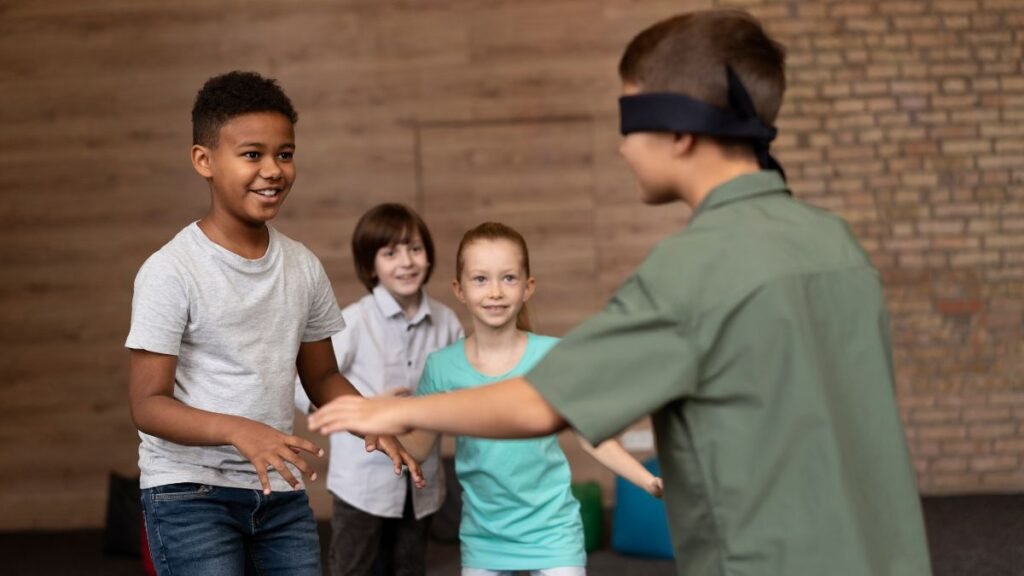
Play is one of the most effective ways to build social abilities because it feels natural and motivating.
Autism play skills development is practiced through:
• cooperative games
• pretend-play scenarios
• building block towers together
• imaginative storytelling
• group board games
• outdoor obstacle courses
Each activity is structured to require interaction. For example:
• taking turns choosing puzzle pieces
• working together to “save the animals” in a pretend rescue game
• role-playing jobs like chef, teacher, construction worker
Play also helps children learn flexible thinking, expanding interests, and perspective-taking—the ability to understand what someone else may want or feel.
Social Skill Activities for Autism: Practical Ideas You Can Use at Home
Here are activity types you can practice at home. (This is one of the only two bullet-style sections.)
1. Turn-Taking Games
• board games
• rolling a ball back and forth
• turn-taking apps or card decks
These help children understand social timing and patience.
2. Emotion Matching
• matching photos of emotions
• emotions bingo
• acting out feelings
• using mirrors to practice facial expressions
These support emotional recognition.
3. Conversation Practice
• “Ask a question” games
• family conversation cards
• structured scripts for greetings
These build everyday social communication autism kids need.
4. Outdoor Social Play
• playground follow-the-leader
• group chase games
• cooperative treasure hunts
These teach teamwork and simple peer coordination.
Group-Based Learning: Social Skills Groups for Autism
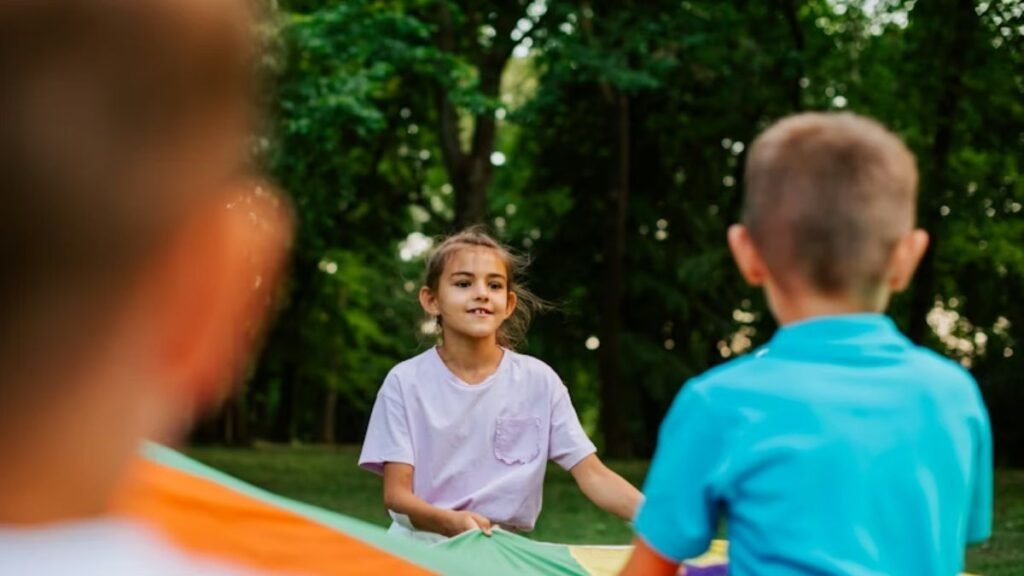
Group social skills classes give children a chance to practice interactions with peers who share similar challenges.
Group settings help children:
• practice greetings
• learn group rules
• solve problems collaboratively
• build comfort with multiple peers
• generalize social skills learned in therapy
Therapists often create small groups based on communication level to ensure children feel comfortable and successful.
How Parents Can Support Social Skills at Home
Parents play an important role in keeping social learning consistent. Here are meaningful ways families can reinforce lessons at home:
Create Predictable Social Routines
Your child may benefit from predictable schedules for playdates, game time, or shared caregiving routines. Predictability helps reduce anxiety and makes new skills easier to apply.
Narrate Social Situations
You can model thought processes aloud:
• “I see you’re waiting for your turn. That helps your friend feel comfortable.”
• “He looks surprised. Maybe he didn’t expect that toy to fall.”
This supports real-time learning.
Set Up Low-Pressure Play Opportunities
Small, structured playdates with one child may feel more manageable than large group gatherings.
Celebrate Small Wins
Social growth takes time. Recognizing effort – eye contact, sharing, asking a question, helps children stay motivated.
Preparing for Real-World Social Situations
As children build confidence, autism social skills lessons evolve into more natural practice. Therapists support community-based learning by practicing skills in places such as:
• playgrounds
• stores
• family gatherings
• afterschool programs
• sports or clubs
Children learn to apply:
• waiting in lines
• asking a cashier a question
• joining a playgroup
• asking for help
• handling unexpected changes
This real-world generalization is essential for improving social interaction autism children experience daily.
A Note on Individual Differences
Every child’s social journey is unique. Some may move quickly through play-based lessons but need more support with conversations. Others may excel in structured routines but struggle with unpredictable settings.
Progress is not linear.
Success looks different for every child.
What matters most is that lessons match the child’s developmental level and interests.
Helping Your Child Connect With Their World
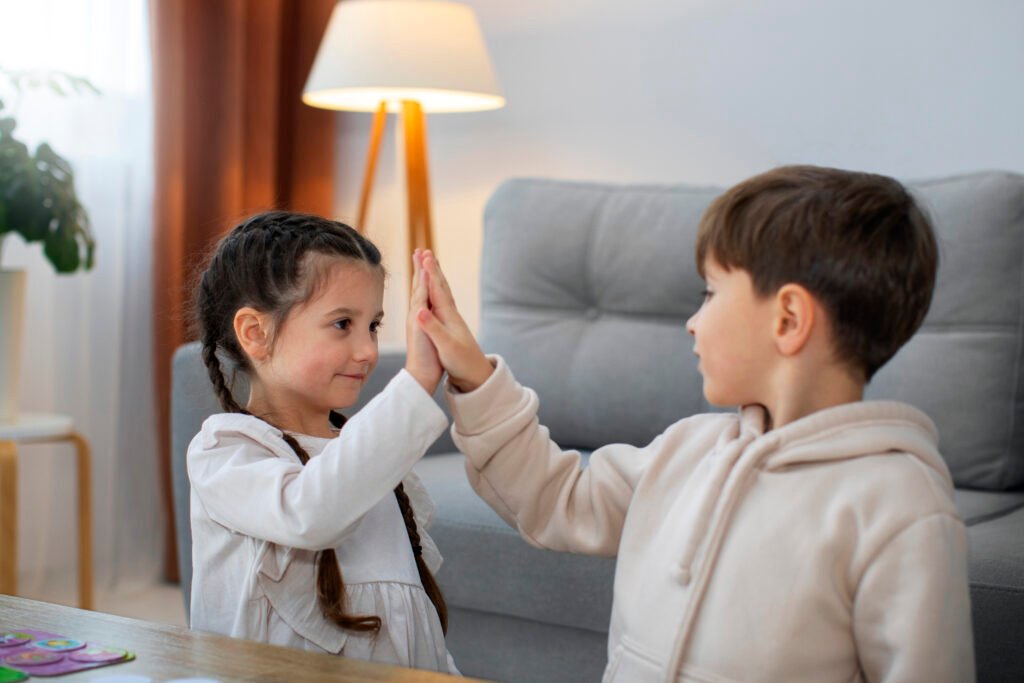
Social skills lessons for children with autism offer a pathway toward meaningful connection – one small step at a time. Whether your child is learning to take turns, understand emotions, build friendships, or navigate conversations, these skills help them participate more fully in daily life.
ABA therapy supports this growth by offering structured, personalized programs teaching social skills for autism that you can rely on. The combination of clear instruction, consistent practice, and real-life application helps children build the confidence they need to connect with others in ways that feel manageable and natural.
If you’re ready to support your child’s communication, play, and peer interaction skills, professional guidance can make a difference. Glow Forward offers ABA therapy in Maryland and North Carolina, providing individualized programs designed to support social communication, emotional understanding, and daily interaction needs.Our trained team at Glow Forward can help your child practice social skill activities for autism with structure, encouragement, and evidence-based strategies. Get in touch with us to learn how your family can access support tailored to your child’s strengths, challenges, and goals.