

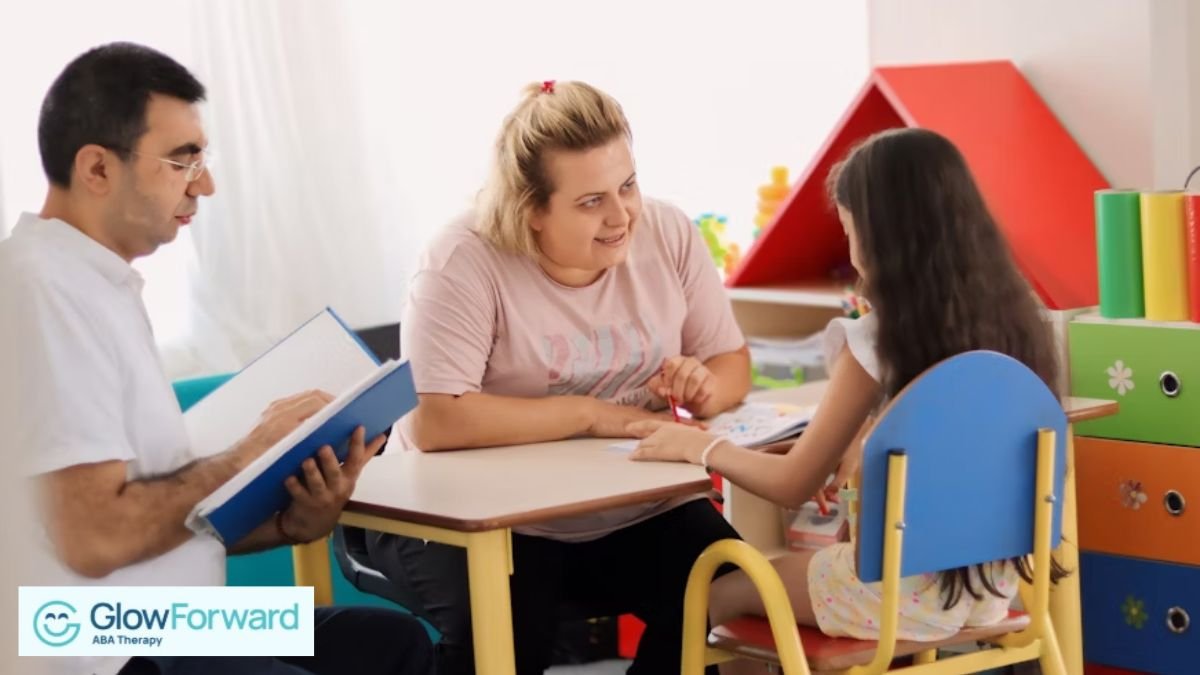
How Much Does ABA Therapy Cost in North Carolina? A Parent’s Breakdown
Quick Summary Are you avoiding a call about ABA therapy because you are scared of what the price tag might be? That fear stops a lot of families before they even ask the question. Autism therapy can feel like an unknown expense, and nobody wants to commit to something without
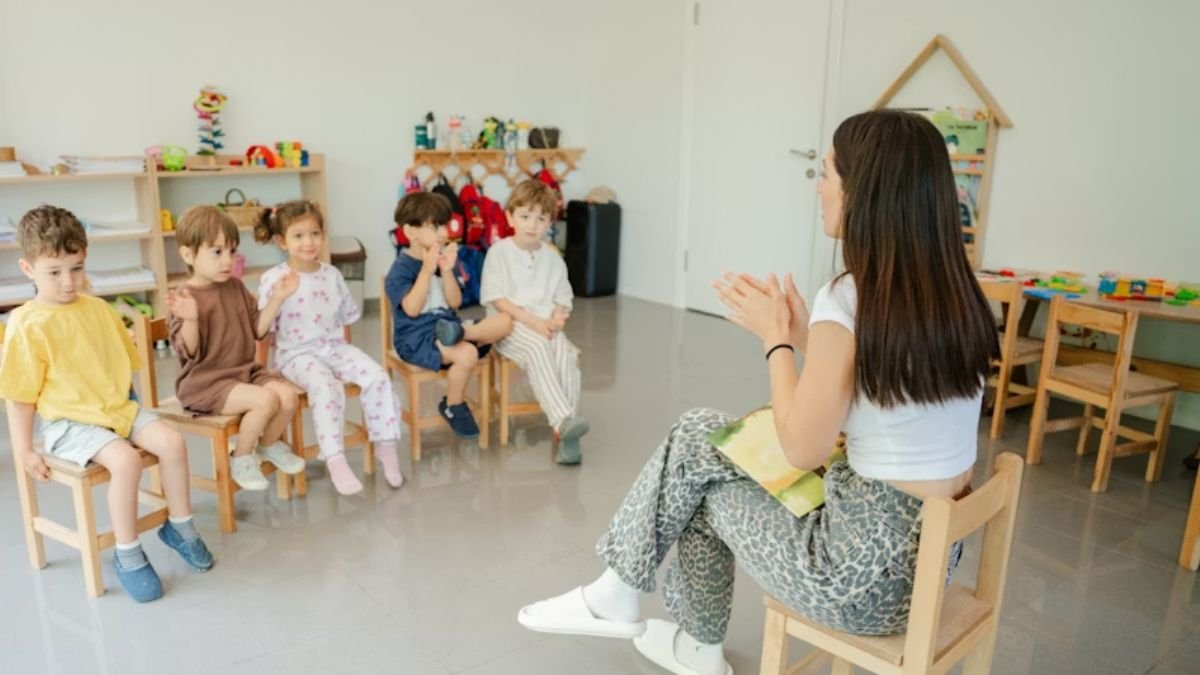
BCBA vs RBT: Understanding ABA Therapy Team Roles on Your Child’s Care Team
Quick Summary Who is running your child’s therapy session, and who is just there to help? That question comes up in almost every first conversation we have with a new family. You hear terms like BCBA and RBT thrown around during intake calls, but nobody explains what separates them or

Does Medicaid Pay for ABA? A Parent’s Guide to Coverage in North Carolina
Quick Summary Does Medicaid cover the therapy your child needs, or will you end up paying out of pocket anyway? That question stops a lot of parents before they even start looking into ABA therapy. Between diagnosis appointments, school meetings, and daily routines, figuring out insurance can feel like one

ABA Strategies to Help Children with Autism Transition Smoothly Into School
Key Points: The school year is approaching, and you are already dreading it. Not because you do not want your child to succeed, but because you have seen what transitions do to them. The sleepless nights beforehand. The morning meltdowns. The phone calls from school in the first week. School

How ABA Helps Children Handle Sensory Overload in Public
Key Points: You planned the trip to the grocery store carefully. You picked a quieter time of day. You brought snacks. And then, somewhere between the automatic doors and the freezer aisle, everything fell apart. If that sounds familiar, you are not alone. For many parents raising children with autism,

Why ABA Therapy Works Best When Families Can Communicate Comfortably
Key Points Bilingual and multilingual families face a unique set of challenges when navigating autism support. The therapy world has not always kept up. But the evidence is clear, and good providers know it: your child’s home language is not a barrier. It is a bridge. Language Is Part of
