Key Points
- ABA for teens builds independence, emotional regulation, and real-world skills.
- In-home and telehealth ABA in North Carolina can fit school and daily routines.
- Progress is gradual but meaningful when teens help set their own goals with help from our highly skilled behavioral therapists.
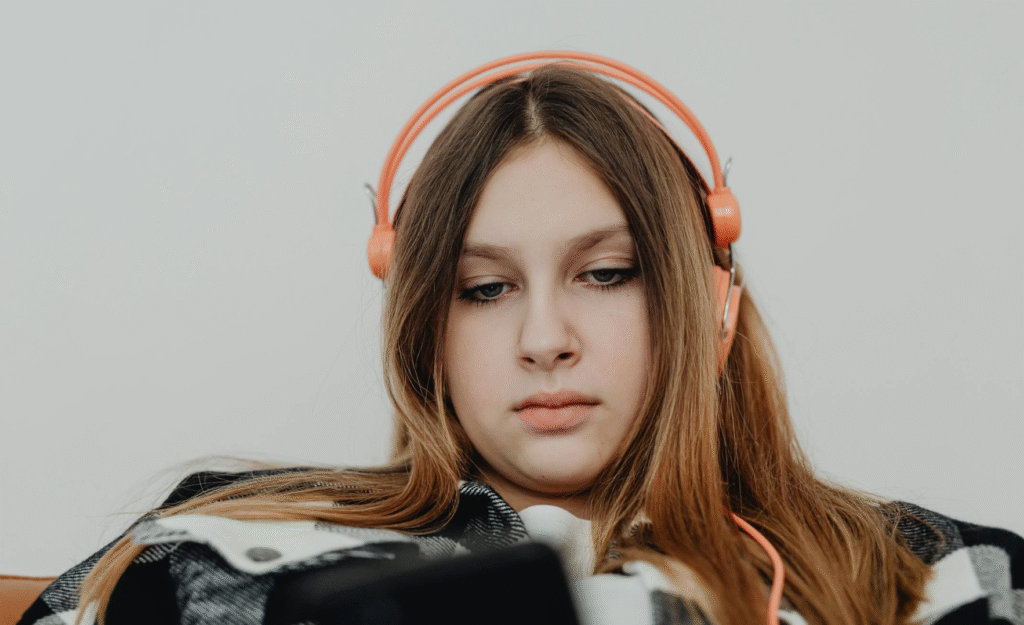
Most information about ABA therapy is written with young children in mind. That makes sense because early intervention is important. But if your child is now 13, 15, or 17, you may be wondering how autism shows up at this stage, whether support still helps, and if it is even worth pursuing.
At this stage, autism may show up in more complex ways, such as difficulty navigating peer relationships, heightened anxiety around school demands, challenges with organisation and independence, or becoming overwhelmed in social or sensory-heavy environments like crowded classrooms or school events.
The answer is yes, but it looks very different.
Signs of Autism in Teenagers
Signs of autism in teenagers often become more visible as social and academic demands increase. Common traits include difficulty with social interaction, a strong need for routine, sensory sensitivities, and challenges with emotional regulation.
Common signs
- Social differences: Trouble making friends, understanding sarcasm, reading social cues, or navigating group dynamics.
- Restricted interests and routines: Deep focus on specific topics and distress when routines change.
- Literal thinking: Difficulty understanding sarcasm, idioms, or indirect communication.
- Masking: Some teens hide their struggles to fit in, which can lead to anxiety or burnout.
Sensory and communication differences
Teens may be sensitive to sounds, lights, textures, or smells, or seek strong sensory input. Speech may sound monotone or overly formal, and repetitive movements may help with self-regulation.
Emotional and daily functioning
Many teens experience anxiety, difficulty with organisation, and challenges managing emotions, especially under school pressure.

Why ABA Therapy for Teens Looks Different, and Why That Matters
Therapy for a teenager is not the same as therapy for a young child, and it should not be. The focus shifts from foundational learning to real-world independence and emotional development.
Instead of working on basic communication or play skills, teen-focused ABA often includes:
- Managing emotions during stressful situations, for example, handling frustration after a difficult school test
- Building independence at home, such as cooking a simple meal or doing laundry without reminders
- Strengthening social understanding, like recognizing sarcasm or reading group dynamics at school
- Preparing for future roles, including part-time jobs or internships
- Reducing behaviors that significantly interfere with daily life, such as aggression during transitions or severe anxiety in public settings
Autism vs Typical Teen Behavior
While many teenagers experience mood changes, social awkwardness, or stress, autistic teens often experience these challenges more intensely and in ways that significantly impact daily functioning. This may include extreme distress over small changes, ongoing social confusion, or withdrawal from peer interactions.
For example, a 16-year-old might work on learning how to ask a teacher for clarification instead of shutting down in class. A 14-year-old might practice handling disappointment when plans change unexpectedly.

In-Home ABA Therapy for Teens in North Carolina: Why It Works Well
In-home ABA therapy is often a strong fit for teenagers because skills need to transfer into real environments, not just structured clinical settings.
When therapy happens at home, teens can practice:
- Getting ready for school in the morning
- Completing chores like folding laundry or cleaning their room
- Managing conflicts with siblings in real time
- Practicing homework routines in their actual study space
For families in North Carolina, including Charlotte, Raleigh, Greensboro, and surrounding areas, in-home therapy also reduces scheduling pressure. Sessions can happen after school or in the early evening, which is often when challenges naturally occur.
What a Typical In-Home Session Might Look Like
Teen sessions are usually more naturalistic than early childhood sessions.
For example:
- A therapist may help your teen reflect on a real situation from school, such as an argument with a peer, and practice alternative responses for next time
- A session may include planning and preparing a grocery list, then actually going to the store to practice independence skills
- Another session might focus on emotional regulation strategies, such as what to do when anxiety builds during homework
Instead of table-based drills, therapy often feels like guided real-life coaching.
Importantly, teens are usually involved in choosing goals. For example, your teen might say they want to “stop getting overwhelmed during group projects” or “learn how to talk to classmates without feeling awkward.” That input improves engagement significantly.

In-Home vs Telehealth ABA Therapy: What Works Best for Your Teen?
Both in-home and telehealth ABA therapy can be effective, but they serve different purposes. The best choice often depends on your teen’s needs, personality, and goals.
In-Home ABA Therapy
In-home therapy takes place in your teen’s natural environment.
Best for:
- Daily living skills like routines, hygiene, and chores
- Behaviour challenges that happen at home
- Family involvement and parent coaching in real time
Example: A therapist works with a teen on morning routines, including waking up on time, getting dressed, and leaving for school without repeated reminders.
Strengths:
- High real-world relevance
- Easier generalization of skills
- Strong parent participation

Telehealth ABA Therapy
Telehealth sessions are conducted virtually, usually via video calls.
Best for:
- Parent training and coaching
- Social communication practice
- Teens who feel more comfortable in digital environments
- Scheduling flexibility for busy families
Example: A therapist coaches a teen through handling a stressful conversation with a teacher, or helps a parent implement consistent behavior strategies at home.
Strengths:
- Flexible and accessible
- Useful for coaching parents directly
- Can reduce stress for teens who dislike in-person sessions
Which One Is Better?
Neither is automatically better. Many teens benefit from a combination.
For example:
- In-home therapy for daily living skills
- Telehealth sessions for parent training and emotional regulation coaching
A blended approach is often the most practical and effective, but we encourage teens to express which setting they are most comfortable with and what works best for their needs and learning style.
What Parents Should Expect
It is important to set realistic expectations. With teenagers, progress often looks like:
- Fewer morning meltdowns before school
- Better recovery after stressful situations
- Improved communication with family members
- Increased independence with routines
- More consistent decision-making in daily life
These changes can be subtle but meaningful. Parent involvement also remains essential. For example, if your teen learns a coping strategy in therapy, you may help reinforce it at home when stress happens.

ABA Therapy for Teens Across North Carolina
Glow Forward ABA provides specialized ABA therapy for teenagers across North Carolina, bringing expert, individualized support directly to families wherever they are. Whether you are looking for teen ABA therapy in Raleigh, Greensboro, or Winston-Salem, our compassionate team is ready to help your teenager build real independence and confidence. Families in Fayetteville, Gastonia, and High Point also trust Glow Forward ABA to deliver the evidence-based teen support their child needs to thrive in everyday life. No matter where you are in North Carolina, your teenager deserves ABA therapy that meets them exactly where they are.
FAQs
1. Is ABA therapy effective for teenagers?
Yes. It is especially effective when focused on independence, emotional regulation, and real-life skills. The approach is different from early childhood ABA, but still very impactful.
2. How do I find ABA therapy for teens in North Carolina?
Look for providers with explicit experience in adolescent ABA. Many offer services in Charlotte, Raleigh, and Greensboro, including in-home and telehealth options.
3. What if my teenager does not want therapy?
At Glow Forward ABA, our highly skilled behavioral therapists work on engagement first. That means connecting therapy goals to things your teen actually cares about, such as friendships, independence, or future job goals, to engage them while learning.
4. Does insurance cover ABA therapy for teens?
In most cases, yes. Coverage depends on your plan, but many insurance providers and Medicaid programs in North Carolina include ABA therapy for autism.
5. How long does ABA therapy last for teens?
It varies. Some teens need focused support for a year, while others benefit from longer-term help through high school and transition planning.
Moving Forward With Glow Forward in North Carolina
If you have been unsure whether ABA therapy still applies to your teenager, it is worth reconsidering.
Adolescence brings new challenges, and the right support can make a meaningful difference in independence, confidence, and daily functioning.