Key Points:
- In-home ABA therapy brings support directly into your child’s daily environment.
- Programs are individualized to build communication and independence at Glow Forward ABA in North Carolina.
- Families stay involved with regular updates and coaching.

If you’re a parent in North Carolina researching autism therapy services, you’ve probably come across the term ABA therapy. Maybe your child was recently diagnosed, or maybe you’ve been on this journey for a while, and you’re ready to try a different approach. Either way, we want to make things as clear as possible.
You might also just be feeling overwhelmed by conflicting advice, waiting lists, and not knowing what actually helps your child day to day.
At Glow Forward ABA, we offer in-home ABA therapy in North Carolina, and we work hard to make the process of getting started simple, transparent, and family-centered.
What Is In-Home ABA Therapy?
ABA stands for Applied Behavior Analysis. It’s one of the most well-researched approaches to supporting children with autism spectrum disorder (ASD). ABA therapy uses positive reinforcement, structured routines, and natural teaching moments to help children build communication, social, and daily living skills.
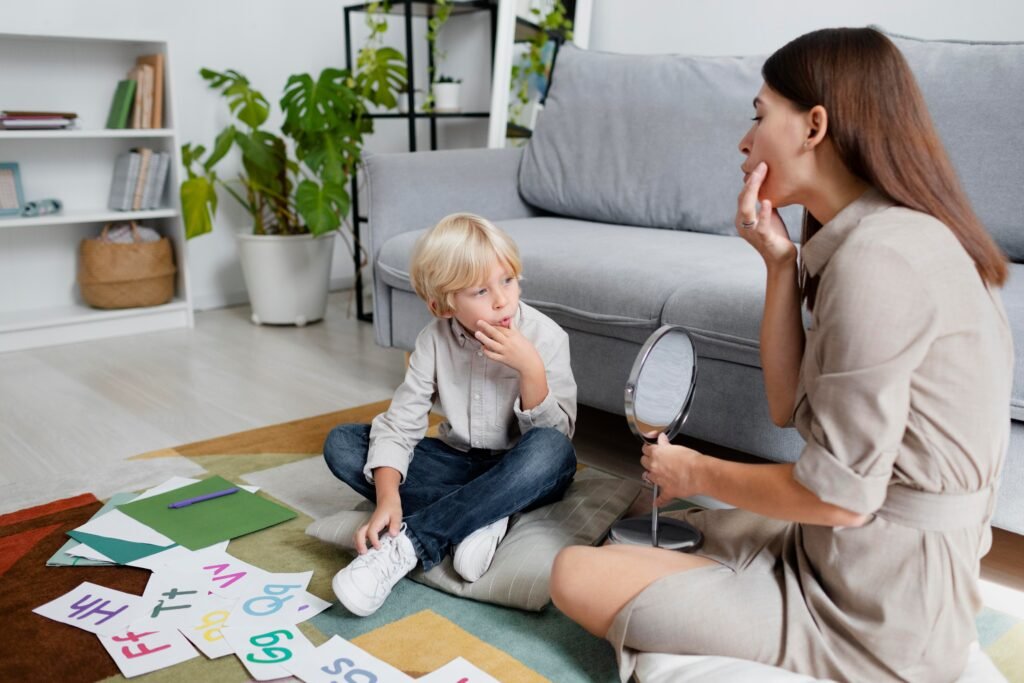
In-home ABA therapy means exactly what it sounds like: a trained therapist comes to your home and works with your child in the environment they already know. There’s no clinic commute, no unfamiliar waiting room, and no adjustment period to a new space. Your child learns in the place where they eat breakfast, play with their toys, and wind down at night.
At Glow Forward ABA, our Board Certified Behavior Analysts (BCBAs) design individualized programs for each child. We then coordinate with trained therapists who deliver sessions right in your home, building around your child’s existing routines, not against them.
What In-Home ABA Therapy Looks Like
When a Glow Forward ABA therapist arrives at your home, they’re not following a generic checklist. Your child’s program is built specifically around their strengths, their challenges, and your family’s daily life.
Sessions typically include a mix of structured activities and natural teaching moments. Here’s what that can look like in practice:
- A therapist uses breakfast time to practice requesting food items using words, pictures, or gestures
- During play, they work on turn-taking and following simple directions
- Getting dressed becomes an opportunity to practice sequencing and independence
- Visual schedules help your child know what’s coming next, which reduces anxiety around transitions
Sessions typically last between two and four hours, and the number of weekly hours varies depending on your child’s individual program goals and needs. Your BCBA will help determine what makes sense based on your child’s needs and your family’s schedule.

Why Families in North Carolina Choose Our In-Home Services
Families who enroll in ABA therapy in North Carolina through Glow Forward often tell us that the home-based approach made a real difference, especially at the start. Here’s what we hear most often:
- Skills carry over (generalization): When your child learns something at home, they’re already practicing it in the right context. There’s no gap between “what they do in therapy” and “what they do in real life.”
- Less stress for everyone: No clinic commute means one less transition for your child, which matters a lot for kids who struggle with changes in routine or sensory sensitivities.
- You’re involved from day one: Parents and caregivers aren’t asked to wait in a lobby. You’re part of the process, which means you can reinforce skills throughout the day, not just during sessions.
- Your child’s schedule stays intact: We work around your family’s life. Nap times, school schedules, sibling activities, all of it gets factored in.
- Familiar spaces mean better focus: Many children are more cooperative and engaged when they’re comfortable, which often leads to faster progress.
- Your child’s own toys and items become tools: Therapists use what your child already loves to build motivation and keep engagement high.
For families who have been wondering whether the best in-home ABA therapy in North Carolina is the right fit, the answer often comes down to this: if your child has autism and would benefit from learning in the spaces where they actually live and grow, home-based therapy is worth a serious look. Contact us to get started.
Common Strategies Our Therapists Use at Home
Our therapists are trained in evidence-based approaches that are designed to work naturally within your child’s daily routines. Some of the strategies you’ll see in action or online via our telehealth service, if that’s what your child prefers:
Positive Reinforcement: When your child does something we want to build on, we praise or reward it right away. This increases the chance of that behavior showing up again.
Task Analysis: Big tasks get broken into small, manageable steps. Brushing teeth becomes a sequence of six steps with a visual aid for each one. Getting dressed follows a predictable order with support fading over time.
Natural Environment Teaching (NET): Rather than practicing skills at a table, we teach in the moment. If your child wants a snack, that’s a chance to practice asking. If a sibling comes in, that’s a chance to practice sharing.
Prompting: We provide the right level of support, whether that’s a verbal reminder, a gesture, or a demonstration, and then gradually reduce that support as your child builds confidence.
Environmental Engineering: We help set up your home in ways that support focus and reduce frustration. This might mean organizing a learning area, reducing visual clutter during sessions, or using a timer to ease transitions.
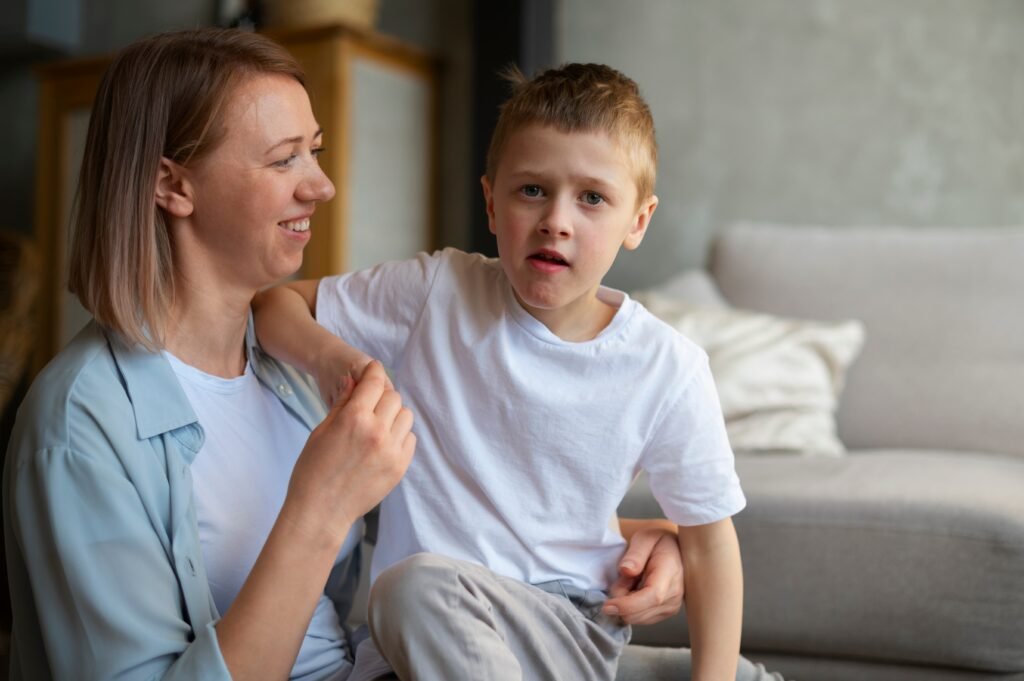
Caregiver/Parent Support: You learn right alongside your child. We walk you through what we’re doing and why, so you feel confident reinforcing skills between sessions.

How to Enroll in ABA Therapy in North Carolina with Glow Forward
We’ve designed our intake process to be as straightforward as possible. Here’s what to expect:
Step 1: Reach Out: Contact us to share a little about your child and your goals. We’ll confirm your location and insurance coverage upfront so there are no surprises later.
Step 2: Initial Assessment: A BCBA comes to your home to conduct an evaluation. They’ll get to know your child’s strengths, areas of need, and current daily routines.
Step 3: Custom Program Design: Your BCBA builds a program around your child’s specific goals, whether that’s communication, daily living skills, social development, or growing independence.
For example, a child working on early communication skills may have more frequent sessions than a child focusing on school readiness or social routines.
Step 4: Therapy Begins: Your assigned therapist starts coming to your home on a regular schedule and works with your child in their natural environment, following a structured plan that adjusts as they grow.
For example, they might practice daily routines like getting dressed in the morning or using simple words to request toys during playtime.
Step 5: Ongoing Progress and Coaching: We review progress regularly, update goals when needed, and keep you in the loop every step of the way.
For example, if your child masters a communication skill like requesting a snack, we may adjust the next goal to building that skill into more natural settings like play or mealtimes.
If you’re ready to explore in-home autism therapy in North Carolina for your child, we’re here to help you take the next step.
Call us at +1 (888) 943-4684 or visit Glow Forward ABA to get started today.
There are no waitlists stretching years out. No confusing intake forms with no guidance. Just a team that wants to understand your child and get to work.

In-Home ABA Therapy Available Across North Carolina
Glow Forward ABA provides trusted in-home ABA therapy services to families across North Carolina, bringing expert care directly to your doorstep wherever you call home. Families searching for in-home ABA therapy in Charlotte and Concord will find a compassionate and experienced team ready to support their child’s growth every step of the way. We also proudly serve families in Raleigh, Cary, and Durham who are ready to take the first step toward meaningful progress. No matter where you are in North Carolina, getting started with in-home ABA therapy is easier than you think. Reach out to our team today and let us help your family move forward with confidence.
FAQs
1. What is in-home ABA therapy?
In-home ABA therapy is a service where trained therapists work with your child in your home using Applied Behavior Analysis strategies to build communication, social, and daily living skills in a familiar environment.
2. How do I know if my child qualifies for ABA therapy in North Carolina?
Most children who qualify have an autism spectrum disorder (ASD) diagnosis. If you’re unsure, we can help guide you through the assessment and insurance verification process.
3. What does a typical ABA therapy session look like at home?
Sessions include structured activities and natural learning moments, such as practicing communication during meals, turn-taking during play, or learning routines like getting dressed.
4. How many hours of ABA therapy will my child receive each week?
Weekly hours depend on your child’s individual needs and goals. Some children benefit from a few focused hours per week, while others may have more intensive support.
5. Will I be involved in my child’s ABA therapy sessions?
Yes. Parent and caregiver involvement is a key part of the process. You’ll receive coaching and updates so you can support your child’s progress between sessions.
6. How long does it take to start ABA therapy after reaching out?
Once you contact us, we begin with insurance verification and an initial assessment. After that, your child’s individualized program is created, and therapy can begin based on availability and approval.