Key Points:
- Sensory overload in public spaces is one of the most common challenges for children with autism.
- ABA sensory strategies give children practical, teachable coping tools.
- Glow Forward ABA helps children build real tolerance and confidence in everyday public spaces over time.
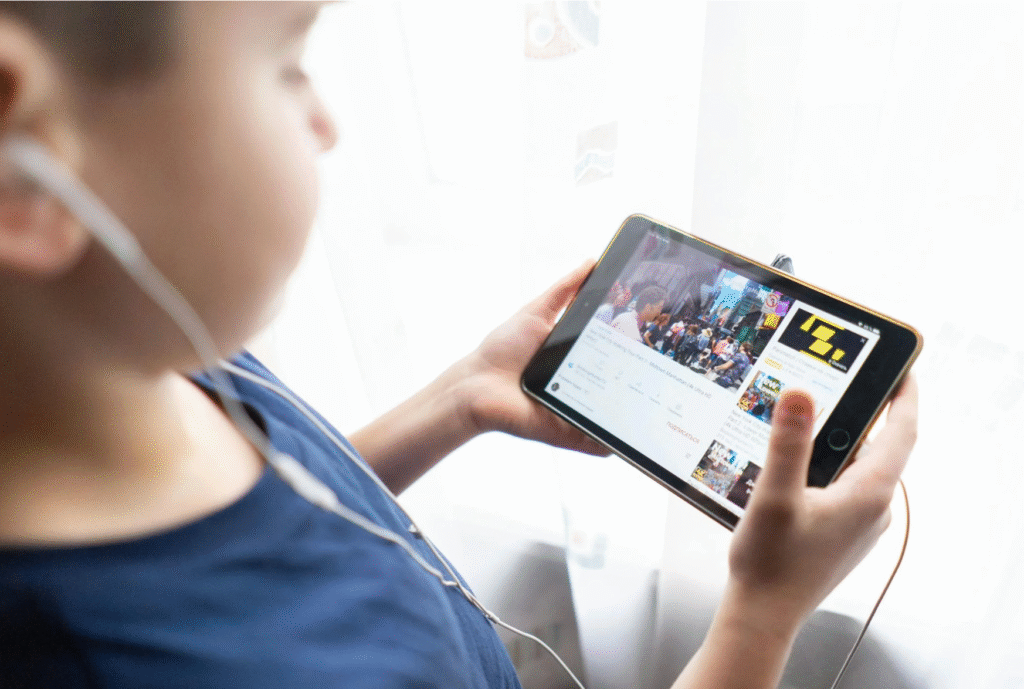
You planned the trip to the grocery store carefully. You picked a quieter time of day. You brought snacks. And then, somewhere between the automatic doors and the freezer aisle, everything fell apart.
If that sounds familiar, you are not alone. For many parents raising children with autism, navigating public spaces is one of the hardest parts of daily life. Not because their child is difficult, but because the world is genuinely overwhelming for them in ways that are not always visible to others.
Understanding why that happens, and what you can do about it, is where meaningful change begins, and that’s what we’re here to do,
What Is Sensory Overload?
Sensory overwhelm in children with autism happens when the brain receives more environmental information than it can process. Sights, sounds, smells, and touch all arrive at once, and the brain cannot filter them fast enough. This triggers a fight-or-flight response, producing intense anxiety or panic. The result is often a meltdown, physical withdrawal, or a complete shutdown.
It is not a choice. It is not a behavior problem. It is a neurological response to overload and a feeling of overwhelm.
Autistic children typically process sensory information differently from neurotypical children. Their brains may struggle to filter out background stimuli, meaning an environment that feels unremarkable to others can feel intensely overwhelming or even physically painful.
A fluorescent light that most people stop noticing within seconds may feel like it is flickering constantly. The hum of a refrigerator, the smell of cleaning products, the brush of a stranger’s arm in a narrow aisle, all of it lands at full intensity with no filter.
Add in the difficulty of processing multiple senses simultaneously, and a busy grocery store becomes something close to sensory chaos.

Common Triggers and Warning Signs
Every child’s sensory profile is different. That said, some triggers come up repeatedly:
- Sudden or loud noises such as hand dryers, sirens, or crowded, echoing rooms are common auditory triggers.
- Harsh fluorescent or flickering lighting can trigger many kids with autism.
- Scratchy fabrics, unexpected touch, and seams in clothing are frequent tactile complaints.
- Strong smells, including perfumes, food, or cleaning products, can push a child into overload.
Parents who know their child’s profile well often notice the warning signs before the meltdown arrives. Some might react by:
- Covering ears or eyes.
- Increased stimming, such as rocking or flapping.
- Unusual irritability without a clear cause.
- Going quiet or withdrawing, or sudden outbursts and attempts to escape the environment.
These behaviors are communication. The child is telling you they are approaching their limit.
How ABA Techniques for Sensory Regulation Work
Applied Behavior Analysis (ABA) does not aim to suppress a child’s sensory responses. It focuses on building functional coping tools, modifying environments, and gradually expanding what a child can tolerate. Managing sensory meltdowns becomes a manageable goal.
Here are some of the core ABA techniques for sensory regulation that therapists use with children in public and community settings:
Antecedent Interventions
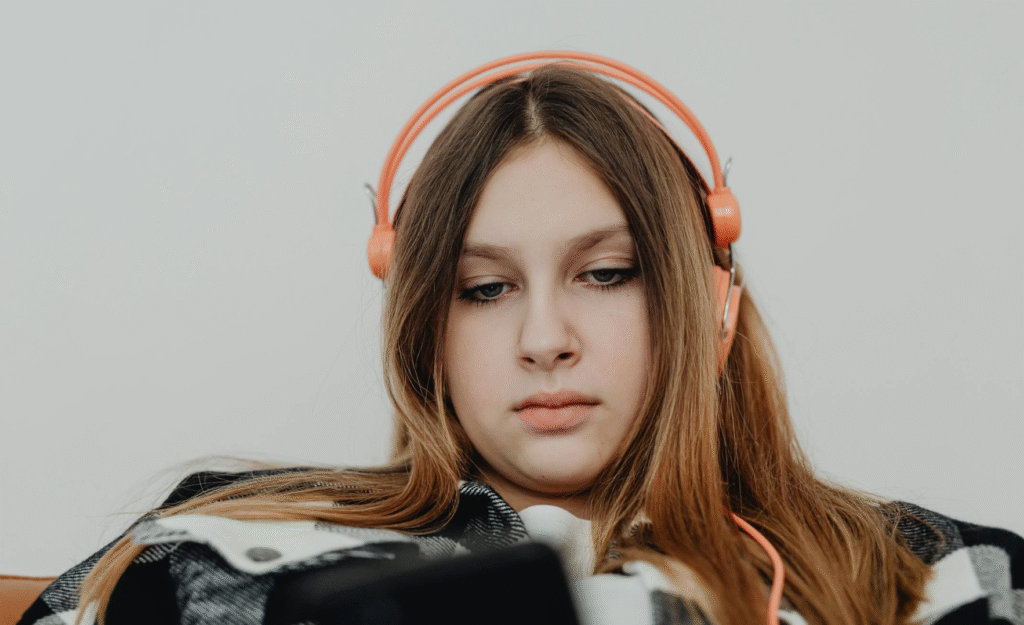
This strategy reduces sensory challenges before they happen. For example, if a child struggles with crowded stores, parents may shop during quieter hours and use tools like noise-canceling headphones. The goal is to make the environment more manageable from the start.
Functional Communication Training (FCT)
Children learn to communicate their needs before becoming overwhelmed. For example, a child may use a “break” card, gesture, or communication device to request a quiet space, instead of experiencing a meltdown.
Reinforcing Coping Skills
When a child uses a coping strategy independently, such as putting on headphones or taking deep breaths, the behavior is reinforced with praise or another meaningful reward. This encourages them to use the strategy again in the future.
Scheduled Sensory Breaks
Therapists build sensory breaks into a child’s routine before overload occurs. Activities like jumping, swinging, or carrying objects can help children stay regulated throughout the day.
Systematic Desensitization
When a specific trigger causes distress, therapists introduce it gradually. For example, a child who fears automatic hand dryers may start by looking at one from a distance, before going near them when it’s on.
Our in-home ABA therapy allows these strategies to be practiced during everyday routines, helping children use them more confidently in real-world situations.

Why Generalization Matters
Skills learned in a clinic do not automatically transfer to a grocery store or a birthday party.
ABA therapy places strong emphasis on generalization. This means practicing strategies in multiple settings so the child can use them wherever life takes them.
A coping skill is most effective when it can be used across different environments and situations. For example, wearing noise-cancelling headphones may help reduce sensory overload in one setting, but a skill that helps a child manage noise at the grocery store, at school, and during family gatherings can have a much broader and more meaningful impact on daily life.
The benefits of consistent ABA therapy for sensory processing challenges include:
- expanded tolerance for difficult environments,
- stronger self-regulation skills,
- greater independence,
- and a child who feels more confident moving through the world.
Outings do not have to be a source of dread. With the right ABA support, children can build genuine tools for managing sensory overload in public spaces, and parents can stop bracing for the worst every time they walk through a door.
At Glow Forward ABA, we provide personalized, evidence-based North Carolina ABA therapy designed around your child’s unique sensory profile and your family’s goals. Our team brings that support directly to your home and community, wherever it is needed most.
If you are ready to explore ABA therapy, we would love to talk. Contact us today to get started.
Frequently Asked Questions
1. Can ABA therapy help with sensory processing issues specifically?
Yes. While ABA therapy is not sensory integration therapy, it directly addresses how children respond to sensory triggers. ABA techniques teach children to communicate their needs, use coping tools, and gradually build tolerance for challenging sensory environments. Many families pursuing autism sensory coping support find that ABA gives them practical, structured strategies that hold up outside the therapy session.
2. What if my child’s sensory triggers are too severe for community outings right now?
This is more common than many parents realize, and it does not mean therapy cannot help. A therapist will start where the child is, working first on communication tools and regulating the nervous system in lower-demand environments. Progress is paced entirely by the child. Telehealth ABA services are also available for families who need flexible support and community participation.
3. How do I know if North Carolina ABA therapy is covered by our insurance?
Most major insurance plans in North Carolina cover ABA therapy for children with an autism diagnosis. The Glow Forward ABA team can help you verify your coverage and walk you through the enrollment process so you are not navigating it alone.
4. Is in-home ABA support effective for sensory challenges?
It is often the most effective option. Learning and practicing strategies in the home means skills are built in the environment the child knows best. From there, therapists work to extend those skills into community settings, including the exact public spaces where sensory overload tends to happen.