Key Points:
- School transitions can be one of the most anxiety-provoking experiences for children with autism because they disrupt the predictability that keeps children regulated and secure.
- ABA school transition strategies give parents and therapists practical tools to build readiness at home before the school year begins.
- At Glow Forward ABA, we help children enter new classrooms and routines with significantly less distress and more confidence using evidence-based ABA strategies.
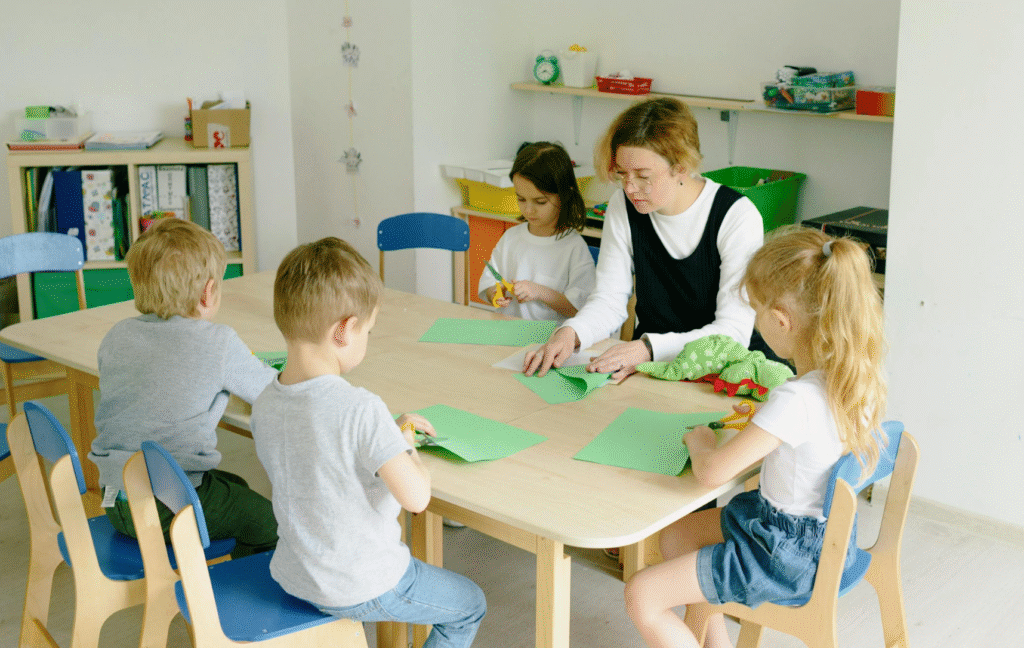
The school year is approaching, and you are already dreading it. Not because you do not want your child to succeed, but because you have seen what transitions do to them. The sleepless nights beforehand. The morning meltdowns. The phone calls from school in the first week. School transitions can be one of the most disruptive experiences for children with autism, and there are specific reasons for that.
Why School Transitions Are Challenging for Kids with Autism
Autistic children thrive on predictability. It is not a preference. It is how they regulate their emotions and feel safe in the world. When a school transition arrives, whether it is a new school, a new classroom, or even a new teacher, that predictability disappears almost overnight.
Several distinct challenges drive the difficulty:
- Familiarity is gone: the patterns and routines that previously made the day manageable are replaced by unknowns.
- New environments bring new sensory conditions: Different lighting, new smells, a noisier cafeteria, and a different hallway. The nervous system is working overtime from the first moment.
- Executive functioning differences make it hard to shift focus: Stopping a preferred activity to transition to something unfamiliar requires significant cognitive effort, and that effort often produces distress.
New social environments mean unwritten rules, unfamiliar peers, and multiple new adults all at once. This is a predictable pattern for kids with autism, and because it is predictable, it is also something that ABA therapy can address directly.
How In-Home ABA Integration Builds School Readiness
Simulating Classroom Routines at Home
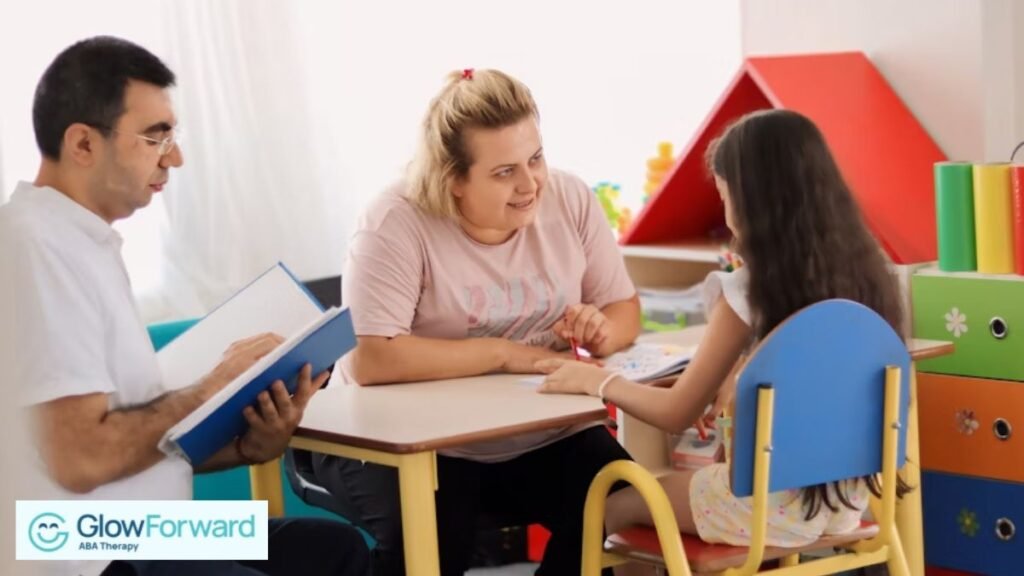
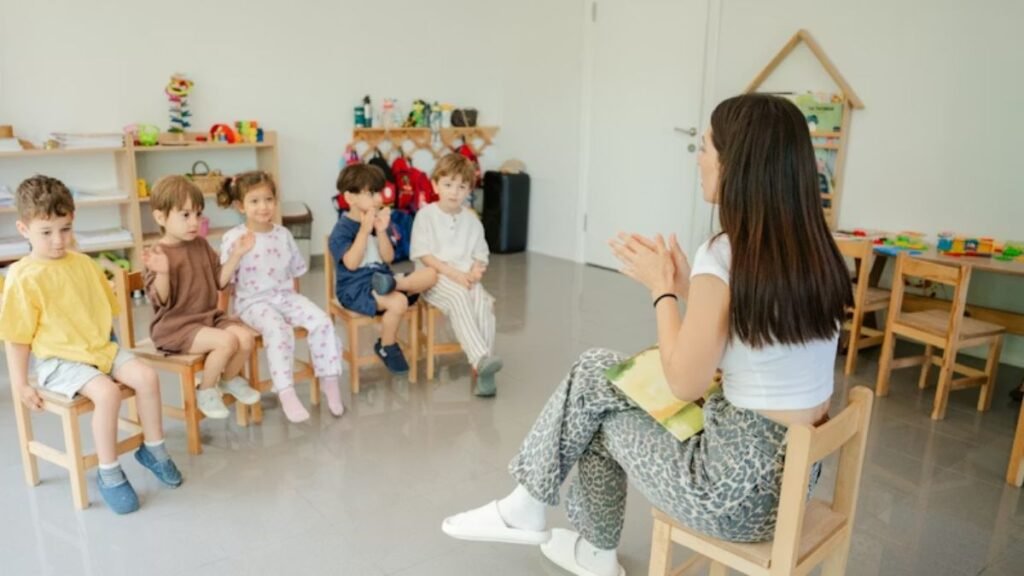
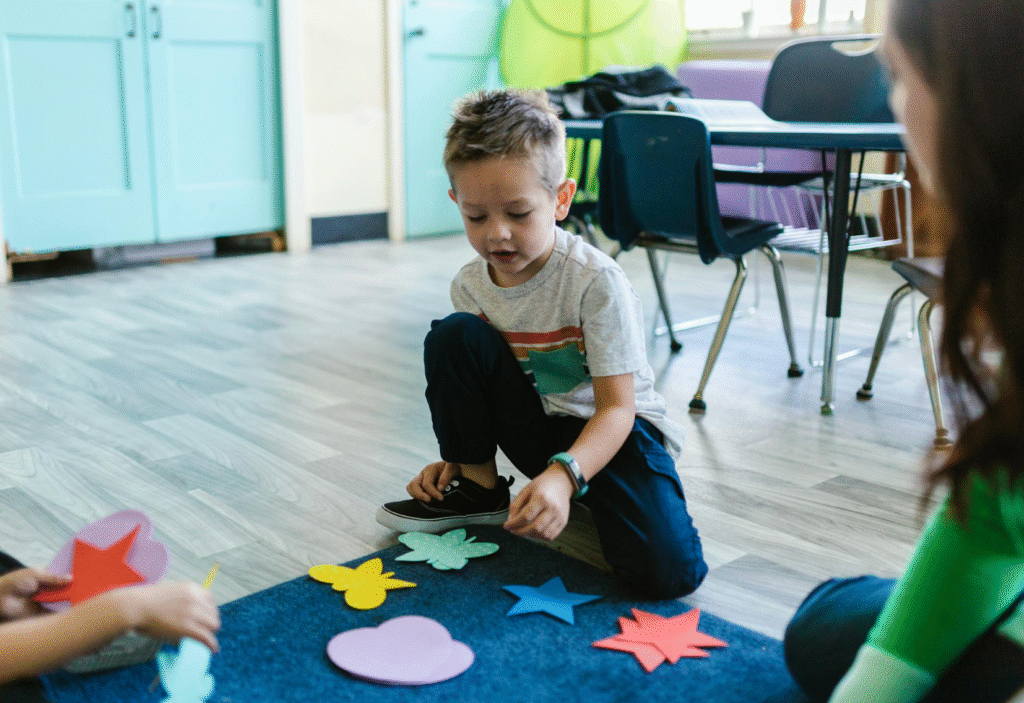
In-home ABA therapy helps children become familiar with classroom expectations before they enter the school environment. Therapists may recreate circle time, structured table work, and classroom-style activities while using visual schedules, first-then boards, and transition timers to build predictability and reduce anxiety around changes in routine.
Building Social and Communication Skills
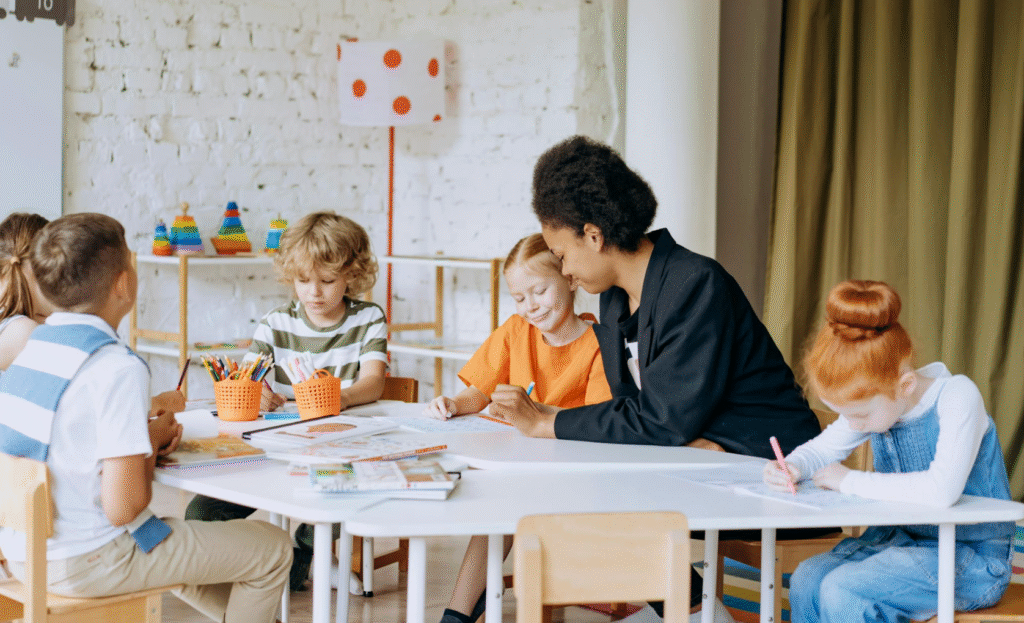
Children practice important school-based social skills such as sharing, turn-taking, asking for help, following directions, and participating in group activities. Through role-play, modeling, and guided practice, therapists help children become more comfortable responding to common classroom instructions and interacting with peers and adults.
Teaching Independence for the School Day
School readiness includes more than academics. Therapists help children build independence with daily routines such as unpacking a backpack, opening lunch containers, washing hands, using the bathroom independently, and transitioning between activities with less adult support.
Preparing for School Transitions
Many children benefit from practicing the transition to school before the first day. Therapists may use social stories, classroom photos, school walkthroughs, or videos of school routines to increase familiarity and reduce uncertainty. These strategies help children understand what to expect and feel more confident entering a new environment.
Supporting Regulation Throughout the Day
ABA therapists also help children develop strategies for managing sensory and emotional challenges that may arise at school. Visual supports, movement breaks, sensory tools, and coping strategies are incorporated into therapy so children can navigate busy classrooms, noisy hallways, and changing routines more successfully.
Together, these school readiness strategies help children build the confidence, independence, and flexibility they need to succeed both inside and outside the classroom.

Preparing for the First Day of School
A well-structured preparation plan in the weeks before school removes the anxiety of the unknown.
Here’s what that plan might look like:
Two weeks before, begin adjusting sleep schedules by ten to fifteen minutes earlier each day until you reach the target school wake time.
Run morning “dry runs.” Practice getting dressed, eating breakfast at the school start time, and carrying the backpack. Wash and break in new school clothes and uniforms early so tactile discomfort does not add to first-day stress. Let your child practice opening their specific lunchbox containers and using school supplies at home.
Build a visual countdown calendar and cross off each day together.
Create a photo book or digital slideshow showing the route to school, the building entrance, and the classroom.
Write a one-page “teacher cheat sheet” outlining your child’s sensory needs, communication style, common triggers, and most effective calming strategies. Teachers who understand your child from day one are better equipped to support them.
Is Your Child Struggling with School Transitions?
With the right team behind your family, transitions become manageable.
At Glow Forward ABA, we provide individualized in-home ABA integration programs for children across North Carolina, built around your child’s specific goals and the real demands of their school environment. Our therapists work alongside families to build the skills that matter in the classroom.
Reach out today to find out how we can support your child’s transition.
Frequently Asked Questions
1. When should we start preparing for a school transition?
Ideally, preparation begins four to six weeks before the school year starts. This gives enough time to adjust sleep schedules gradually, complete school walkthroughs, and practice morning routines without rushing. The earlier you start, the less pressure there is on any single step.
2. Can ABA therapy help if my child already struggles significantly with school refusal?
Yes. School refusal is often rooted in anxiety about transitions, sensory overload, or difficulty with social demands. ABA school transition strategies address these root causes directly rather than just targeting the refusal behavior itself. Our therapists will assess what is driving the difficulty and build a plan that starts where your child is.
3. What if we cannot visit the school ahead of time?
Video priming is a strong alternative. Record a walk-through of the school or find photos online of the building, hallways, and classrooms. Create a photo book using those images alongside familiar photos from home. Even indirect exposure to the new environment helps reduce the novelty factor on the first day.
4. Does Glow Forward ABA offer support if we are not near Charlotte or Raleigh?
Yes. Telehealth ABA services are available for families across North Carolina who need flexible, consistent support regardless of location. The same evidence-based strategies apply whether sessions happen in person or remotely.