Key Points:
- Autism food aversion is more than picky eating: Children with autism often have intense, long-lasting food preferences driven by sensory sensitivities, routines, or medical issues.
- ABA feeding therapy can help: Structured strategies like food chaining, gradual exposure, and positive reinforcement support children in trying new foods and reducing mealtime stress.
- Small, consistent steps make a difference: Gradual changes, sensory-friendly approaches, and supportive routines help expand dietary variety while keeping mealtimes calm and manageable.

Food Selectivity in Autism: Understanding and Managing Picky Eating
Research shows that many parents of children with autism report extreme food selectivity, with “some children accepting as few as five different foods.”
If mealtimes feel stressful, exhausting, or unpredictable, you’re not alone. Autism food aversion is common, and it goes far beyond typical picky eating. For many autistic children, eating isn’t just about taste; it’s about sensory overload, anxiety around change, and sometimes physical discomfort.
Understanding what’s really behind picky eating in children with autism can help families move away from power struggles and toward practical, supportive solutions that actually work.
Why Picky Eating Looks Different in Autism
Many children go through picky phases, but food selectivity in autism is usually more intense and long-lasting. Instead of avoiding a few foods, autistic children may:
- Eat a very small list of “safe” foods
- Avoid entire food groups
- Become distressed when new foods are introduced
- Gag, vomit, or melt down at the table
This is why autism feeding challenges often require more than “just keep offering it.”
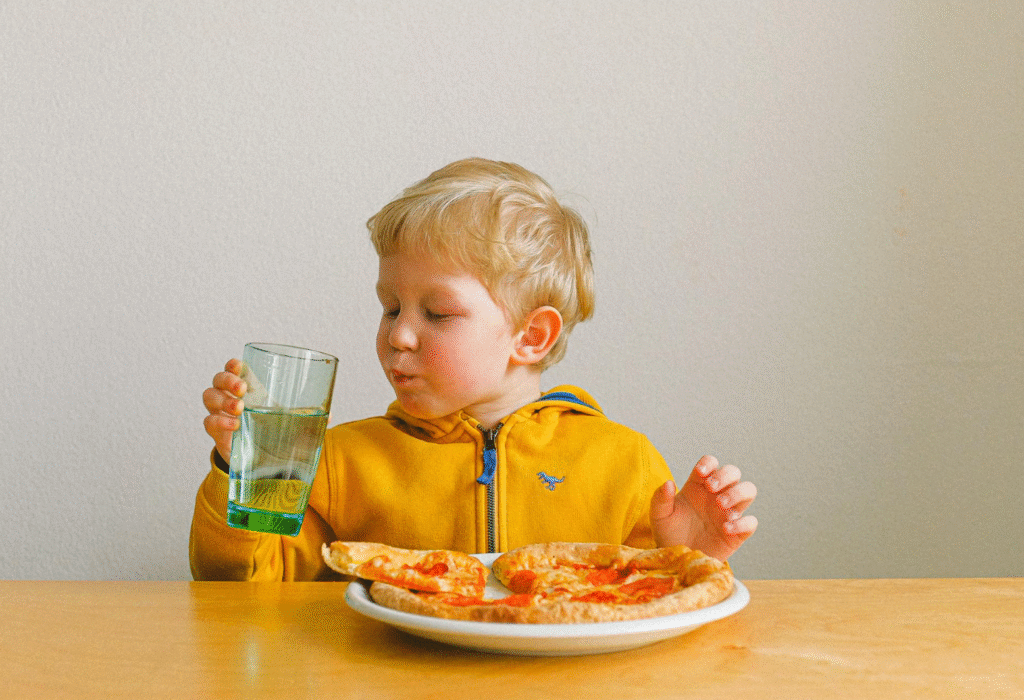
What Causes Autism Food Aversion?
Sensory Food Issues in Autism
Many autistic children experience the sensory world more intensely. A food’s texture, smell, temperature, or color can feel overwhelming.
For example, a child who loves crunchy crackers may gag on yogurt, not because they dislike it, but because the smooth, wet texture feels unbearable.
Need for Predictability
Routine feels safe. Even small changes, like switching brands or plates, can make a familiar food feel “wrong.”
For example, your child eats chicken nuggets every day, but refuses them if they’re a different shape or cooked a different way.
Oral-Motor and Physical Challenges
Some children have difficulty chewing, swallowing, or sitting comfortably due to low muscle tone or oral-motor delays.
For example, a child prefers soft foods like pasta because chewing meat is tiring or uncomfortable.
Medical Discomfort
Gastrointestinal (GI) issues like constipation or reflux are common and can make eating painful.
For example, a child avoids certain foods because they associate eating with stomach pain, even if they can’t explain it.
Communication Differences
Food refusal is often a form of communication and can sometimes be your child’s way of saying: “This is too much for me.”
Fear of New Foods
Consistently refusing new foods, sometimes to the point of affecting nutrition, can be a sign of more severe food aversion (similar to ARFID).
Rigid Rituals
Meals may need to follow strict rules, such as foods not touching on the plate, specific brands, or certain utensils.
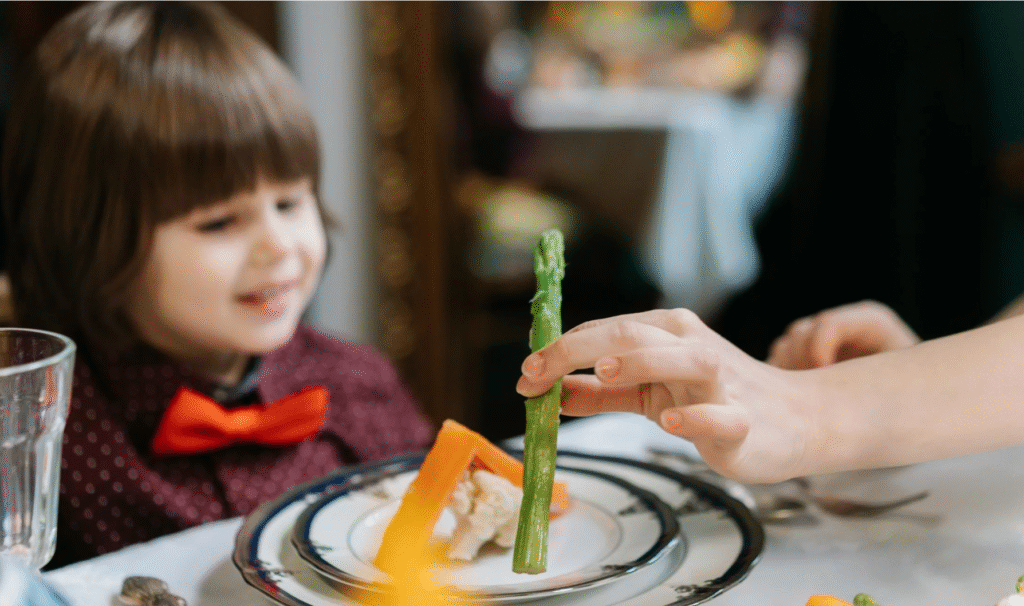
Autism Picky Eating vs Typical Picky Eating
Typical picky eating:
- Is usually temporary
- Includes enough variety for growth
- Improves with time
Autism food aversion:
- Is ongoing and intense
- Often involves fewer than 20 foods
- Can impact nutrition and growth
- Causes real distress at meals
This is why children with autism are at higher risk for nutritional deficiencies and ongoing autism mealtime problems.
How ABA Feeding Therapy Helps
ABA feeding therapy doesn’t force children to eat. Instead, it focuses on building comfort, trust, and confidence around food using small, realistic steps.
The goal is to make eating feel safer, not scarier.
Common ABA Mealtime Interventions In Practice
1. Gradual Exposure (Systematic Desensitization)
Children move at their own pace.
Example: First, the food is on the table → then on the plate → then touched → then tasted. No rushing.
2. Positive Reinforcement
Effort matters more than finishing the food.
Example: Your child earns praise or a small reward just for touching or smelling a new food.
3. Food Chaining
New foods are introduced by changing one small thing at a time.
If your child currently only eats plain, dry white toast, you can use small, gradual steps to introduce new textures and flavors:
- Slight Change: Lightly butter the white toast. The flavor and texture are almost the same, but it’s a tiny new experience.
- Brand Variation: Offer the same type of toast, but from a different brand. The shape, thickness, or slight taste difference introduces variety.
- Texture Shift: Toast the bread lightly or slightly more. This changes the texture without straying too far from what’s familiar.
- Sandwich Introduction: Make a simple toasted sandwich (like cheese or turkey). The child recognizes the bread but experiences a new texture and taste combination.
- Gradual Variety: Slowly add similar foods, like whole-grain toast, bread with seeds, or soft rolls, always keeping one familiar element so the change feels safe.
4. Pairing and Simultaneous Presentation
A ‘safe’ food (foods your child is familiar with and enjoys) is always available.
Example: A tiny portion of a new food is served next to a favorite food, without pressure to eat it.
5. Sensory-Friendly Mealtime Setup
Lower noise, fewer distractions, and predictable routines help children focus on eating.
6. Modeling
Let your child see you eating and enjoying the new food.
7. Choices
Use visual schedules for mealtimes. Offer limited choices, such as “Do you want broccoli or carrots?” to give a sense of control.

4 Ways Parents Can Gently Expand Food Variety
- Start Small
Tiny changes matter more than big leaps.
Example: If your child eats plain pasta, try adding a little butter before introducing sauce.
- Change the Texture, Not the Food
Sometimes it’s the feel, not the flavor.
Example: If mashed potatoes are rejected, try roasted potato wedges instead.
- Let Your Child Help
Helping choose, wash, or stir food builds familiarity.
- Use Visual Supports
Pictures or food schedules help reduce anxiety by showing what to expect.
Tasting Something New: Introducing New Foods (Carrots)
Step 1: Start with No Pressure
Place one very small piece of carrot on your child’s plate next to a favorite “safe” food, like chicken nuggets. There’s no expectation to eat it, just to tolerate it being there.
Step 2: Build Comfort First
Praise your child simply for allowing the carrot on the plate. Even sitting next to it is a win at this stage.
Step 3: Encourage Interaction
When your child is ready, invite them to touch, smell, or even “kiss” the carrot. Pair each attempt with positive feedback, such as, “Nice job touching the carrot!” and a small reward if helpful.
Step 4: Try Tiny Tastes
Once they’re comfortable, encourage a quick lick or a pea-sized bite. Reinforce immediately with praise or a preferred activity.
Step 5: Be Consistent
Repeat this process regularly. Progress comes from steady exposure over time—not from rushing.

Common Mistakes to Avoid
- Forcing bites
- Removing all safe foods
- Introducing too many new foods at once
- Turning meals into battles
Pressure almost always increases food refusal.
When Extra Support Is Needed
If your child’s diet is limited, causing stress, or affecting growth, working with professionals, such as ABA therapists, occupational therapists, or speech-language pathologists, can help create a plan that fits your child’s needs.
Medical concerns should always be checked first.
Food challenges in autism are not about stubbornness or poor parenting. They’re about sensory differences, comfort, and trust.
With patience, consistent routines, and supportive approaches like ABA feeding therapy, many children can gradually expand their diets and feel more relaxed at the table.
Small steps add up, and progress is possible.
Glow Forward ABA offers support for picky eaters, helping children with autism try new foods and feel more comfortable at mealtimes.

FAQs
1. What is autism food aversion?
Autism food aversion is a strong, ongoing dislike or refusal of certain foods, often linked to sensory sensitivities, rigid routines, or past discomfort. It’s different from typical picky eating because it can last for years and involve very few “safe” foods.
2. How is food selectivity in autism different from regular picky eating?
Children with autism often eat fewer than 20 foods, avoid entire food groups, and may have meltdowns or gag reactions at mealtime. Typical picky eating is usually temporary and doesn’t cause major nutrition or growth concerns.
3. Can ABA feeding therapy help with picky eating in autism?
Yes! ABA feeding therapy uses strategies like food chaining, positive reinforcement, and gradual exposure to help children with autism try new foods safely and reduce mealtime anxiety.
4. What is food chaining, and how does it work?
Food chaining introduces new foods by making small, gradual changes in color, texture, or taste, building on foods your child already accepts. For example, transitioning from plain toast → lightly buttered toast → sandwich with soft cheese.
5. How long does it take for a child to try new foods?
Every child is different. Some make progress quickly, while others need weeks or months to accept a new food. Consistency, patience, and positive reinforcement are key.
6. Where can I get support for my child’s picky eating?
Glow Forward ABA provide personalized ABA feeding therapy and strategies to help children with autism expand their diets, reduce mealtime stress, and feel more comfortable with new foods.