Key Points:
- In-home ABA therapy benefits: Home-based ABA services support functional skill carryover by teaching and practicing skills in a child’s natural environment, making it easier to apply learning during everyday routines and build lasting independence.
- Generalization of skills ABA through natural learning: Using natural environment teaching ABA allows children to practice skills across people, settings, and situations, strengthening generalization of skills ABA and reducing reliance on prompts.
- Caregiver supported ABA strategies for real-world success: Applying ABA skills at home with consistent caregiver supported ABA strategies helps reinforce communication, social, and daily living skills, ensuring progress continues beyond therapy sessions.
How In-Home ABA Therapy Builds Real-World Skills Through Generalization and Family Support
Research shows that in-home ABA therapy helps children use new skills where they matter most, at home and in daily life. By working in familiar environments and involving caregivers, therapy supports meaningful learning and lasting progress, ensuring skills carry over naturally into everyday routines.
Why in-home ABA therapy matters:
- Generalization of skills ABA: Skills learned in therapy, such as greeting others or requesting help, must be practiced across home, school, and community settings to become functional and independent behaviors.
- Consistency through home-based ABA services: Children thrive when caregivers use the same strategies as therapists, creating predictable responses and faster progress across environments.
- Natural Environment Teaching ABA: In-home therapy allows skills to be taught during everyday routines ABA therapy supports, such as mealtimes, play, and bedtime, addressing behaviors exactly where they occur.
- Caregiver supported ABA strategies: Parents and caregivers receive hands-on coaching, building confidence and ensuring skills are reinforced consistently even outside therapy hours.
- Applying ABA skills at home: Daily interactions, playing with siblings, following directions, or requesting items, become natural learning opportunities that promote independence.
One of the biggest in-home ABA therapy benefits is that learning happens in familiar surroundings. Children are often more relaxed at home, which reduces anxiety and distractions and increases engagement.
Key benefits include:
- Learning skills in real-life settings instead of artificial clinic environments
- Greater consistency across the day
- Increased caregiver confidence and involvement
- Easier scheduling and reduced travel stress
Most importantly, in-home services support functional skill carryover, meaning children can use what they learn naturally and independently.
What Is Functional Skill Carryover in ABA?
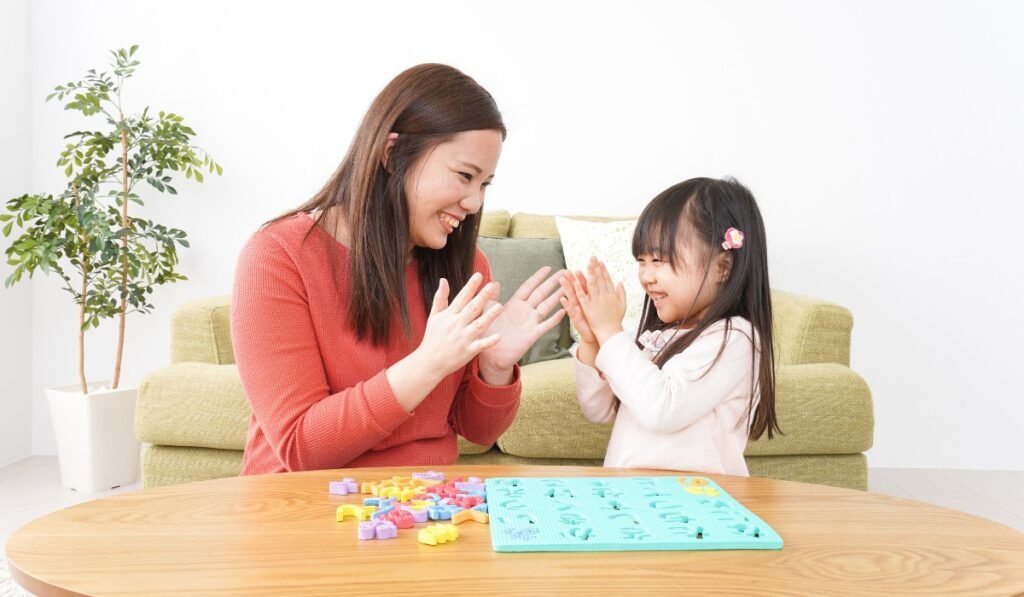
Functional skill carryover refers to a child’s ability to use skills learned during therapy throughout their daily routines, without constant prompting from a therapist.
Instead of only asking for help during sessions, a child learns to:
- Request help during play
- Communicate needs at mealtime
- Follow directions during morning or bedtime routines
- Use coping strategies when frustrated at home or in the community
This carryover is essential for long-term independence and confidence.
How Home-Based ABA Services Support Skill Transfer
Natural Environment Teaching (NET)
A core strategy used in home-based ABA services is natural environment teaching (NET).
Natural environment teaching ABA focuses on teaching skills during everyday activities rather than structured drills.
Examples include:
- Asking for juice during snack time
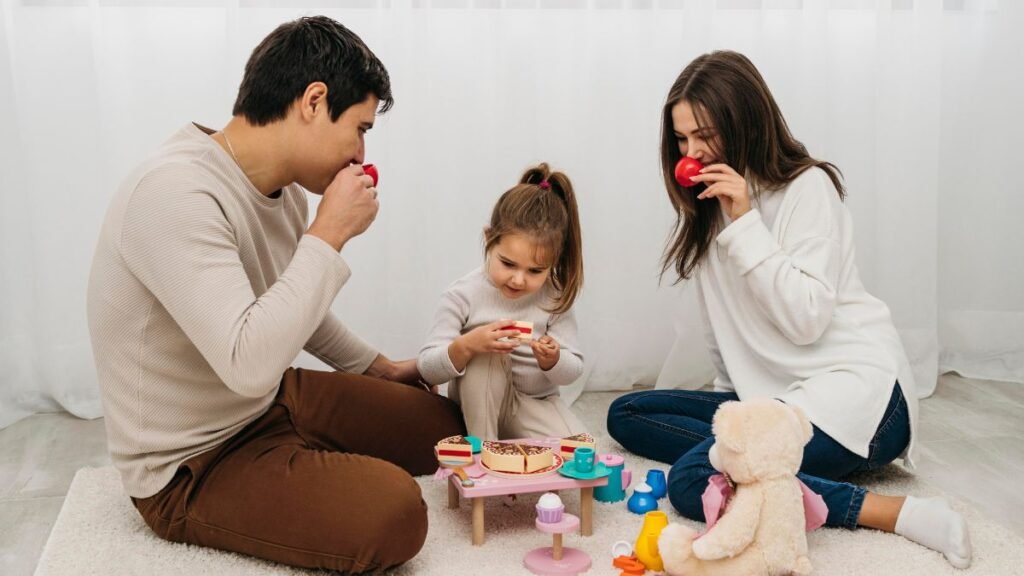
- Practicing turn-taking while playing with siblings
- Labeling clothing items while getting dressed
- Learning “help” while building blocks
Because the skill is taught in the same place it’s used, generalization happens more naturally.
Generalization of Skills in ABA
Generalization of skills means a child can apply a learned skill across:
- Different settings (home, park, store)
- Different people (parents, siblings, grandparents)
- Different materials or situations
For example, a child who learns to say “hello” with a therapist practices greeting parents in the kitchen, neighbors outside, and peers at the playground.
In-home ABA therapy strengthens generalization by intentionally practicing skills across rooms, routines, and caregivers.
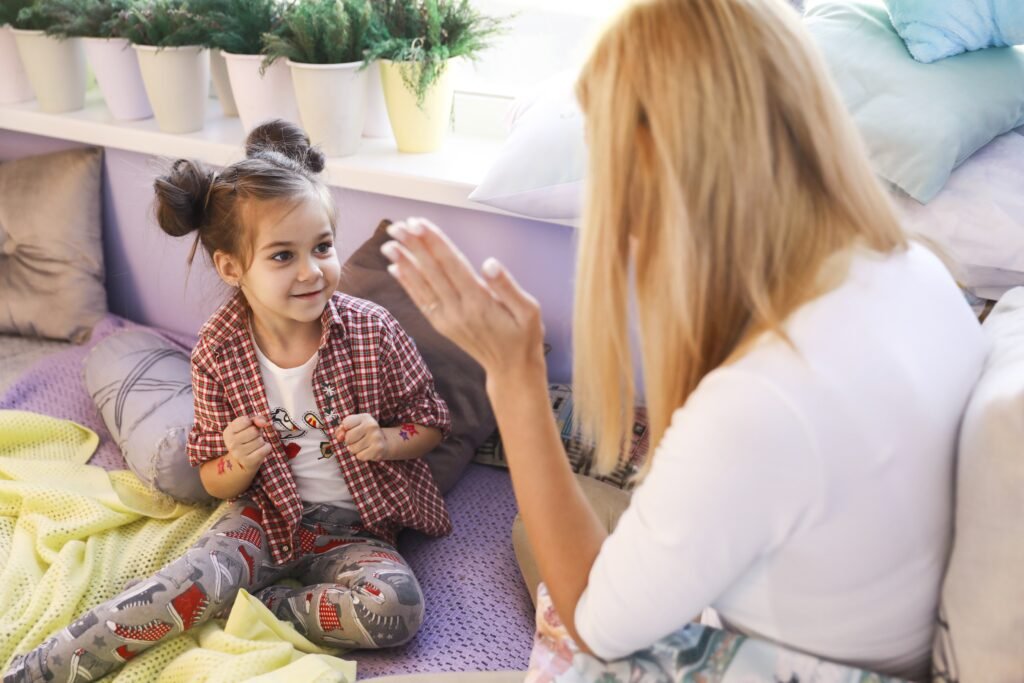
Applying ABA Skills at Home Through Everyday Routines
Applying ABA skills at home doesn’t require formal sessions; it happens during normal family life. Therapists coach caregivers to embed learning into everyday routines ABA therapy naturally supports.
Daily Routine Examples
Morning Routine
- Use a visual schedule: Get dressed → Brush teeth → Eat breakfast
- Break tasks into steps (task analysis)
- Praise each completed step immediately
Mealtime
- Practice requesting food or drinks
- Offer choices: “Blue cup or red cup?”
- Reinforce sitting and waiting appropriately
Playtime
- Work on turn-taking, sharing, and asking for help
- Follow the child’s interests to keep learning fun
Transitions
- Use timers and “First/Then” statements: “First clean up, then outside play.”
These small moments add up to meaningful progress.
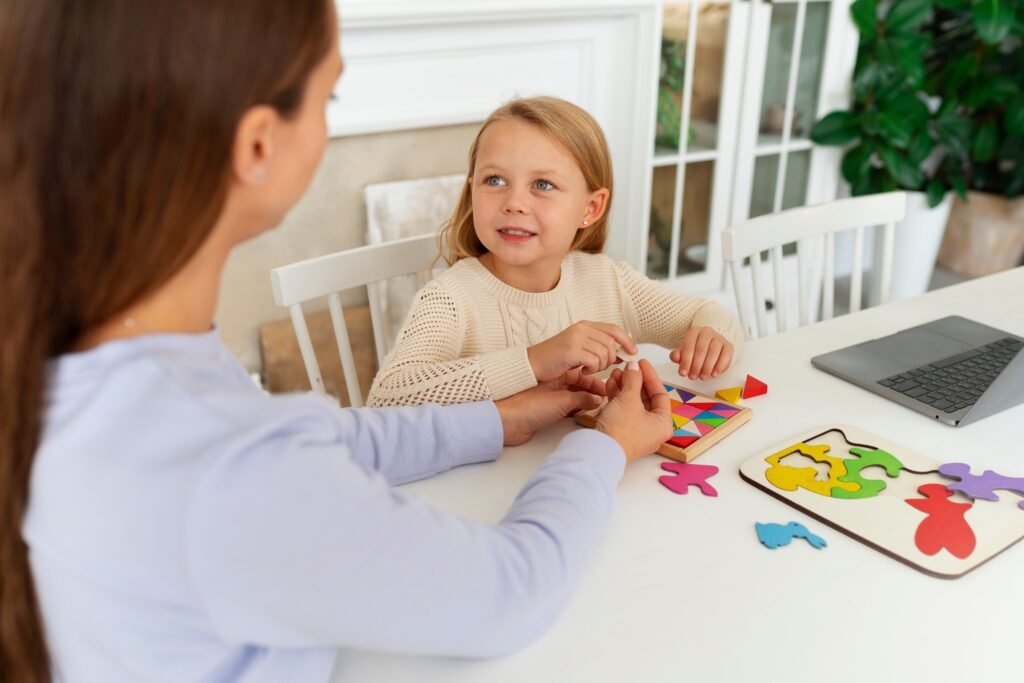
Caregiver-Supported ABA Strategies: Empowering Skill Growth at Home
In-home ABA training empowers parents to use evidence-based strategies during daily routines, supporting skill carryover beyond therapy sessions. Through home-based ABA services, caregivers learn to use reinforcement, visual supports, modeling, and prompting to build communication, daily living, and social skills at home.
How Parents Learn to Apply ABA Skills at Home
Therapists provide hands-on coaching, so families feel confident applying ABA skills at home during real-life routines such as mornings, meals, playtime, and transitions. This approach supports generalization of skills in ABA, ensuring children can use learned behaviors with different people in various settings.
Communication Skills
- Temptations: Place a preferred toy slightly out of reach and wait for the child to request it.
- Modeling & Expanding: If a child says “juice,” respond with “You want more juice!”
- Prompting & Fading: Offer choices and gradually reduce prompts as independence increases.
Daily Living Skills (e.g., Brushing Teeth)
- Task Analysis & Chaining: Break routines into small steps and teach them one at a time.
- Visual Supports: Use picture schedules to guide each step.
- Modeling: Demonstrate the action before the child attempts it.
Behavior Support & Transitions
- Visual Schedules & Timers: Help children understand what’s coming next.
- Positive Reinforcement: Praise or reward desired behaviors immediately.
- Social Stories & Role Play: Practice sharing, turn-taking, and asking for help.
These strategies align closely with natural environment teaching ABA, which focuses on learning through everyday experiences instead of isolated drills.
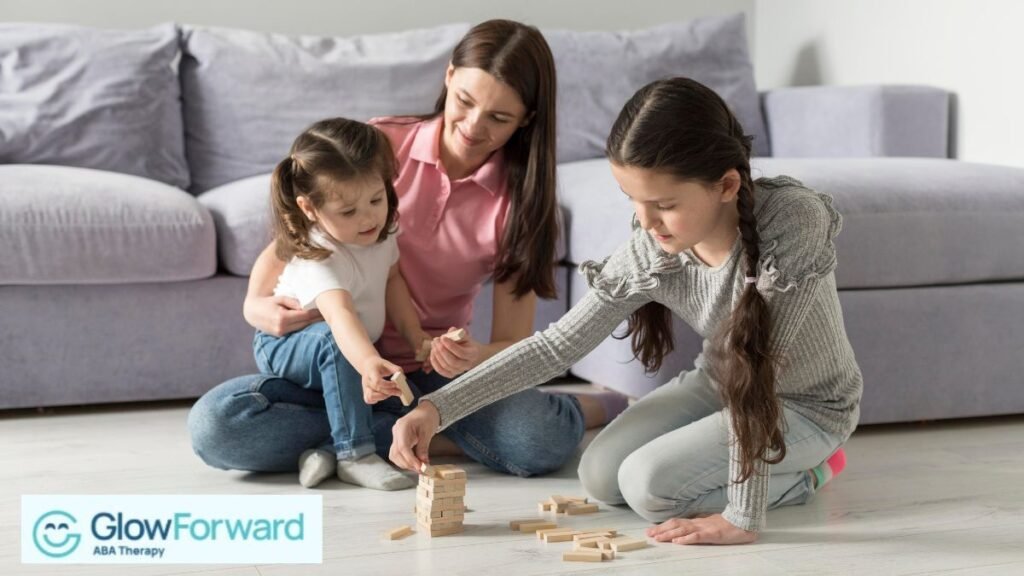
Key Caregiver-Supported ABA Strategies
Successful caregiver supported ABA strategies focus on:
- Consistency across environments
- Using everyday routines such as ABA therapy
- Understanding the function of behavior
- Tracking progress and sharing feedback with the therapy team
By learning why behaviors occur and how to respond consistently, parents help reduce challenging behaviors while increasing independence.
Why Parent Training Strengthens In-Home ABA Therapy
When parents are actively involved, children experience:
- Stronger skill generalization
- Faster progress through consistent reinforcement
- Increased confidence and independence
- Reduced behavior challenges at home and in the community
Why In-Home ABA Therapy Excels at Generalization
In-home ABA therapy naturally supports independence because:
- Skills are taught with real objects and people
- Children practice skills exactly where they’re needed
- Families reinforce learning throughout the day
- Therapists can adjust goals based on real-life challenges
This approach prevents skill regression and builds confidence beyond therapy sessions.
Finding Glow Forward ABA in Maryland and North Carolina
If you’re looking for compassionate, individualized ABA services, Glow Forward ABA provides high-quality in-home ABA therapy in Maryland and in-home ABA therapy in North Carolina.
FAQ’s
- What are the main in-home ABA therapy benefits?
One of the biggest in-home ABA therapy benefits is that children learn skills in the environment where they use them every day. Home-based ABA services support functional skill carryover, reduce anxiety, and help children practice communication, social, and daily living skills during everyday routines.
- How does in-home ABA therapy support generalization of skills?
The generalization of skills ABA focuses on helping children use learned behaviors across different people, settings, and situations. In-home ABA therapy promotes generalization by practicing skills throughout the home, during outings, and with multiple caregivers, making learning more flexible and functional.
- What is Natural Environment Teaching (NET) in home-based ABA services?
Natural environment teaching ABA is an approach that embeds learning into everyday routines ABA therapy supports, such as playtime, mealtimes, and bedtime. Instead of structured drills, skills are taught through real-life activities, helping children apply ABA skills at home more naturally.
- How are caregivers involved in in-home ABA therapy?
Caregiver supported ABA strategies are a key part of home-based ABA services. Parents and caregivers receive hands-on coaching from therapists, learning how to reinforce skills, respond consistently to behaviors, and continue applying ABA skills at home between sessions.
- What types of skills can children learn through in-home ABA therapy?
In-home ABA therapy supports communication, social interaction, independence, and daily living skills. By focusing on functional skill carryover and generalization, children learn to apply these skills at home, in the community, and across everyday routines.