Key Points:
- Early autism assessment in North Carolina helps families understand developmental differences and access targeted support.
- Professional evaluations, including autism diagnostic evaluation Charlotte NC, provide precise results and actionable recommendations.
- Timely diagnosis opens doors to therapies, school accommodations, and resources that empower children to thrive.

If you’re seeking clarity about your child’s or your own developmental profile, understanding whether autism is present is an essential first step.
Families across the state can access professional autism assessment services in North Carolina to obtain accurate diagnoses and targeted support.
What is an Autism Assessment?
An autism assessment is a formal diagnostic process conducted by specialists, such as psychologists, pediatricians, or psychiatrists, to determine if an individual is autistic. This evaluation involves:
- Developmental History: Interviews with parents or caregivers about early milestones, medical history, and childhood development.
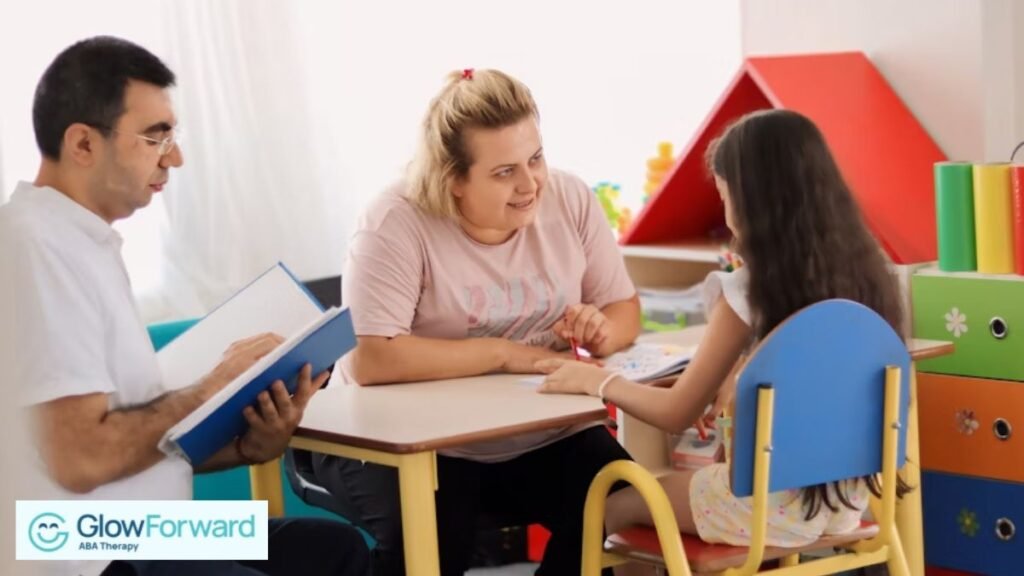
- Direct Behavioral Observation: Clinicians observe social interactions, communication, and play behaviors to identify autism characteristics.
- Specialist Evaluation: A multidisciplinary team may include psychologists, speech therapists, and pediatricians to analyze social skills, sensory differences, and behavioral patterns.
- Adult Assessments: For adults, assessments often involve structured questionnaires (like the Autism Spectrum Quotient) and interviews about past and current experiences.
These assessments rely on standardized tools, such as the ADOS-2 (Autism Diagnostic Observation Schedule), rather than medical tests like blood work.

Purpose and Benefits of an Autism Assessment
The benefits of a professional autism evaluation include:
- Understanding: Gain insight into why an individual thinks, feels, and behaves in certain ways.
- Support Access: A formal diagnosis is often required to access therapies, educational accommodations, and support services.
- Tailored Strategies: Identifies strengths and challenges, enabling personalized interventions and care plans.
Common Assessment Types
Autism assessments can vary depending on age and need:
- Screening Tools: Short questionnaires like the M-CHAT-R/F for children help determine whether further evaluation is needed.
- Diagnostic Assessments: Detailed evaluations using tools such as ADOS provide a comprehensive understanding of social, communication, and behavioral profiles.
Who Should Consider an Assessment?
Assessments are recommended for anyone showing signs of autism, including:
- Children with developmental delays, such as limited language or social skills.
- Teens and adults struggling with social interaction, mental health, or daily functioning.
- Individuals with sensory sensitivities, repetitive behaviors, or strict routines.
Key indicators prompting an evaluation include:
- Social & Communication Difficulties: Trouble with conversations, understanding nonverbal cues, or forming relationships.
- Behavioral Patterns: Repetitive movements, rigid routines, or highly focused interests.
- Sensory Issues: Over-or under-reactions to sounds, lights, or textures.
- Functional Struggles: Challenges at school, work, or in daily life, often accompanied by anxiety or burnout.

Autism Diagnostic Evaluation Services in North Carolina
Families have access to multiple professional evaluation services, including:
- Autism Diagnostic Evaluation: Local clinics provide thorough evaluations and follow-up support. Searching “autism diagnostic near me Charlotte” can help locate nearby providers.
- Autism Assessment in Raleigh, NC: Specialized services assess communication, social interaction, and behavioral patterns.
- Autism Evaluation Services, Durham, NC: Comprehensive assessments for children and adults, including individualized care recommendations.
- BCBA Assessment Charlotte, NC: Board Certified Behavior Analysts provide targeted behavioral evaluations to support skill development.
Preparing for an Autism Assessment
- Bring any existing medical or school reports.
- For children, bring comfort items or snacks to ensure a smooth session.
- Avoid masks if requested by providers, to facilitate clear communication.

After the Assessment: Next Steps
Once you have the results, it’s important to:
- Review the Report: Understand strengths, challenges, and recommended interventions.
- Follow-Up with Professionals: Discuss referrals with pediatricians, psychologists, or the assessment team.
- Create a Support Plan: Explore therapies such as ABA, occupational therapy, or speech therapy.
- Address Other Health Factors: Screen for associated conditions like sleep issues, anxiety, or ADHD.
- Connect with Resources: Join local support groups for parents or autistic adults.
- Access Education or Workplace Services: Share reports with schools for IEPs or with employers for accommodations.
- Focus on Autistic Joy: Celebrate unique strengths and interests, not just challenges.
Autism Diagnostic Services and Assessments at Glow Forward
For families seeking autism assessment in North Carolina or autism diagnostic evaluation in Charlotte, NC, Glow Forward offers compassionate, thorough, and gold-standard services for children in both Maryland and North Carolina.

Autism Assessment for Children
Finding answers is the first step toward understanding your child’s unique strengths and identifying the best way to support their growth. Glow Forward’s evaluation process is designed to be simple, supportive, and child-centered, providing precise results, compassionate guidance, and a clear plan for next steps.
What the Assessment Includes
Glow Forward’s autism diagnostic evaluation covers:
- A detailed developmental history and parent intake interview
- Standardized observation and behavioral assessments, including ADOS-2 autism screening (Autism Diagnostic Observation Schedule)
- Cognitive and adaptive functioning evaluations, where indicated
- A written report summarizing findings and recommendations
- A feedback session to ensure parents fully understand the results and next steps
Who This Service is For
This service is for children whose parents or pediatricians have concerns about development, communication, social interaction, or behavior. Glow Forward serves children from toddler age through school age in Maryland and North Carolina.

Why Early Autism Diagnosis Matters
Early assessment and diagnosis at Glow Forward provides:
- Faster access to ABA therapy and support services: a diagnosis is often required for insurance-covered treatment
- A clearer understanding of your child’s profile: strengths, challenges, and optimal learning strategies
- Confidence in next steps: no more second-guessing or waiting without a plan
- Support for school and service eligibility: formal evaluations aid IEP placements and additional resources
- Peace of mind: knowing is always better than wondering
What to Expect During Our Process
- Reach Out and Connect: Discuss your concerns and verify insurance coverage with the Glow Forward team.
- Complete the Intake: Provide your child’s history through parent interviews and detailed intake forms.
- Schedule the Evaluation Session: A clinician observes and evaluates your child using standardized autism diagnostic tools.
- Receive Your Results: Glow Forward provides a detailed written report and a meeting to explain findings.
- Get Connected to Services: If recommended, the team helps transition your child into ABA therapy programs or other trusted resources.
From your first phone call to the final report, Glow Forward stays by your side through every step of the autism assessment process, ensuring clarity, support, and actionable next steps for your child’s growth.
Contact us to schedule your child’s autism assessment in North Carolina and get the answers you need to support their development.

FAQs
1. What is included in an autism assessment for children?
An autism assessment typically includes a detailed developmental history, parent intake interview, direct behavioral observation, standardized assessments such as the ADOS-2, cognitive and adaptive functioning evaluations if needed, and a feedback session to review findings and next steps.
2. How do I schedule an autism assessment in North Carolina?
Families can schedule an assessment by contacting a qualified provider or clinic, such as Glow Forward. The process involves completing intake forms, discussing concerns, verifying insurance coverage, and booking a session for evaluation.
3. At what age should my child have an autism assessment?
Children showing signs of developmental delays, communication challenges, or behavioral concerns can benefit from an assessment as early as toddler age. Early diagnosis helps families access interventions sooner, which can improve long-term outcomes.
4. What specialists are involved in an autism evaluation?
A multidisciplinary team may include psychologists, pediatricians, psychiatrists, speech therapists, and Board Certified Behavior Analysts (BCBAs). These specialists collaborate to provide a comprehensive evaluation and individualized recommendations.
5. How long does an autism diagnostic evaluation take?
Assessment sessions can vary, often lasting several hours. Some clinics conduct evaluations in a single appointment, while others spread it over multiple sessions to fully observe behaviors and complete testing.
6. What happens after my child’s autism assessment?
After the evaluation, families receive a detailed written report outlining strengths, challenges, and recommendations. A feedback session explains the results, and clinicians can connect families to services like ABA therapy, occupational therapy, speech therapy, or local support resources.
7. Can adults get an autism assessment in North Carolina?
Yes. Adults can receive evaluations through structured interviews, questionnaires such as the Autism Spectrum Quotient, and behavioral observation. Adult assessments help identify social, communication, and sensory challenges and provide access to tailored support.