Key Points:
- ABA therapy helps children with autism learn communication, social, and daily living skills through structured yet playful methods.
- Using practical tools like visual supports, token systems, and reinforcement strategies boosts engagement and learning.
- Parents play a crucial role by integrating ABA principles into everyday routines to create lasting progress.
When you’re raising a child with autism, you’re constantly searching for ways to help them connect, communicate, and thrive. Applied Behavior Analysis (ABA) therapy is one of the most research-supported approaches for doing just that. But beyond the science, ABA is about understanding how your child learns and turning everyday moments into opportunities for growth.
This guide breaks down ABA therapy in practical terms—covering real-life tips, tools, and techniques you can start applying today. Whether you’re new to ABA or looking to strengthen your home strategies, you’ll walk away with a clear understanding of how to make therapy meaningful and effective.
Understanding ABA Therapy: What It Really Means for Your Child
ABA therapy focuses on understanding why behaviors occur and how to encourage positive ones through reinforcement. It’s not just about reducing challenging behaviors—it’s about teaching new skills step by step.
At its core, ABA uses a data-driven and individualized approach. Each program is tailored to your child’s unique strengths, challenges, and motivators. Therapists measure progress continually to adjust strategies and ensure growth remains steady and meaningful.
Families often see improvements in:
- Communication (verbal and nonverbal)
- Social interaction and play
- Emotional regulation
- Daily living skills like dressing, eating, and routines
- Reduction in behaviors that interfere with learning
Companies like Glow Forward ABA use evidence-based ABA practices to help children build confidence and independence—focusing on real-life application and family collaboration.

Core Principles Behind ABA Therapy
Before diving into the techniques, it’s helpful to understand the guiding principles that make ABA effective.
1. Positive Reinforcement
This is the heart of ABA. When a child’s behavior is followed by something rewarding (like praise, a favorite toy, or high-fives), that behavior is more likely to happen again. Reinforcement helps your child understand what works and motivates them to repeat positive actions.
2. Task Analysis and Breaking Skills Down
Complex skills—like brushing teeth or initiating play—are broken into smaller, teachable steps. Each step is practiced until mastery, then combined to form the complete behavior.
3. Prompting and Fading
Therapists use prompts (gestures, verbal cues, or physical guidance) to help your child succeed, then gradually reduce them as independence grows.
4. Generalization
The ultimate goal is to ensure your child can use learned skills across settings—home, school, community—not just during therapy.
5. Data and Progress Monitoring
ABA therapy is measurable. Every session is tracked so that parents and therapists can see patterns, identify what’s working, and adjust accordingly.

Practical ABA Therapy Tips Parents Can Use at Home
Even outside therapy sessions, parents are powerful teachers. Small, consistent actions can reinforce what your child learns during structured ABA time.
Here’s how to bring ABA principles into your daily life:
1. Make Learning Playful
Children learn best when they’re having fun. Turn skill-building into games—count toys while cleaning up, use pretend play to practice turn-taking, or narrate actions during play (“You’re rolling the ball!”).
2. Reinforce Immediately
Timing is everything. When your child communicates, follows a direction, or behaves positively, reinforce it right away. Immediate praise or access to a favorite activity makes the connection stronger.
3. Keep Instructions Simple
Use clear, concise language. For example, say “Sit down” instead of “Can you please come over here and sit?” Simplicity reduces confusion and supports comprehension.
4. Build Routine and Predictability
Children with autism thrive on structure. Consistent routines lower anxiety and help reinforce skills. Use visual schedules or picture cards to show what’s coming next.
5. Celebrate Effort, Not Just Success
Reinforcing attempts—like trying to say a word or engaging with a peer—teaches persistence and builds confidence. Every small step deserves recognition.
Essential Tools That Support ABA Therapy
ABA therapy often uses hands-on tools to create structure, track progress, and motivate children. Whether in sessions or at home, these tools help make learning concrete and engaging.
Visual Supports
Visual aids help children understand expectations and transitions. Examples include:
- Picture Schedules: Show steps for daily routines (morning prep, bedtime).
- Choice Boards: Offer visual options to promote communication (“Do you want snacks or playtime?”).
- Social Stories: Short illustrated stories that explain social situations in clear, relatable terms.
Token Economy Systems
Children earn tokens (stickers, stars, or coins) for positive behavior, which they later exchange for rewards. This builds delayed gratification and goal awareness.
Reinforcement Menus
A personalized list of motivators—like bubbles, songs, or snacks—keeps reinforcement fresh. Rotating rewards helps maintain engagement.
Data Sheets and Progress Charts
Simple tracking tools help parents and therapists monitor progress. Seeing growth on paper motivates both you and your child to keep going.
Sensory Tools
Some children respond best when sensory needs are met. Fidget toys, weighted blankets, or movement breaks can help regulate attention and reduce frustration during learning tasks.
Techniques That Make ABA Therapy Effective
Once you understand the principles and tools, it’s time to apply specific techniques that drive progress. Each technique is designed to teach new behaviors or strengthen existing ones in small, achievable steps.
1. Discrete Trial Training (DTT)
DTT is a structured teaching method where skills are broken down and taught in small parts. Each trial follows a simple pattern: instruction, response, and consequence (reward or correction).
For example, if teaching color identification, you might say “Show me red,” and reward your child for choosing the correct color. Repetition helps solidify learning before moving to new targets.
2. Natural Environment Teaching (NET)
Unlike DTT, NET takes learning into your child’s natural setting—playtime, meals, or park visits. The goal is to teach skills where they naturally occur, making generalization easier.
If your child loves bubbles, that becomes a perfect learning tool—requesting “more bubbles” encourages spontaneous communication.
3. Functional Communication Training (FCT)
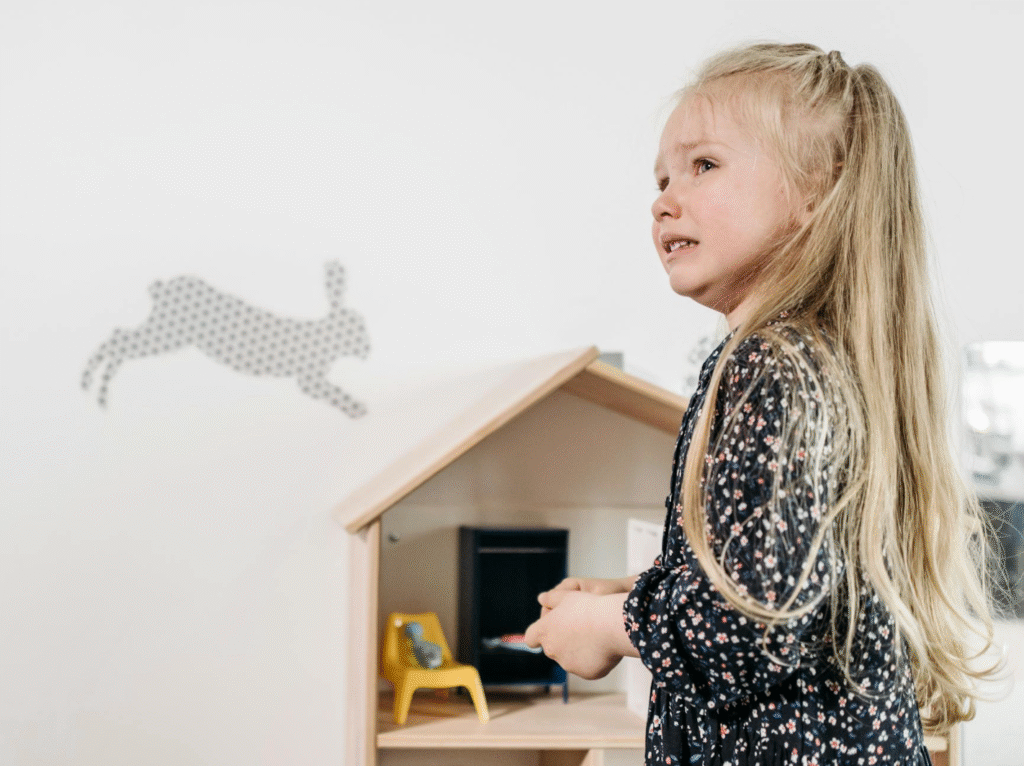
FCT replaces challenging behaviors with appropriate communication. For instance, instead of crying when frustrated, your child learns to say “help” or use a sign or picture card.
4. Shaping and Chaining
- Shaping involves reinforcing small steps toward a final behavior (rewarding attempts at saying “ba” before achieving “ball”).
- Chaining teaches a sequence of actions step by step—like washing hands: turn on water → wet hands → apply soap → rinse → dry.
5. Differential Reinforcement
This technique strengthens desired behaviors by rewarding them while reducing reinforcement for unwanted ones. For example, you might praise calm communication but ignore yelling, teaching that calm requests are more effective.

Parent Involvement: The Key to Lasting Progress
ABA therapy doesn’t end when the session does—it’s a team effort. When parents actively participate, progress accelerates.
Here’s how to stay involved:
Collaborate with Your BCBA or ABA Therapist
Ask about your child’s goals and progress. Learn what’s being targeted so you can reinforce those same skills at home.
Practice Consistency
Use the same cues, rewards, and expectations at home that your therapist uses during sessions. Children thrive when environments are predictable.
Track Success Together
Share updates with your therapy team—what worked, what didn’t. This feedback fine-tunes the treatment plan for your child’s evolving needs.
Model Patience and Positivity
Your child learns from your reactions. Celebrate small wins, maintain a calm tone, and model communication.
When families and therapists collaborate closely, ABA therapy becomes more than a treatment—it becomes a lifestyle of learning and connection.
Building Confidence and Independence Through ABA
ABA therapy’s real power lies in helping children not just learn behaviors—but understand them. Over time, kids begin to recognize the value of communication, social connection, and problem-solving.
Parents often describe their child becoming more expressive, adaptable, and self-assured. Whether that’s saying “I want juice,” initiating a game with a sibling, or following a bedtime routine with less support—these are milestones worth celebrating.
At Glow Forward ABA, therapy is designed to meet your child where they are. Using personalized ABA strategies, therapists work to reduce barriers and highlight each child’s natural strengths. Families in North Carolina and Maryland benefit from programs that blend structure with compassion, helping children build lifelong skills in communication, learning, and independence.
If you’re ready to help your child thrive, reach out today to learn more about ABA therapy in Maryland and North Carolina. Every child deserves the chance to grow confidently—and with the right support, progress truly shines forward.