Key Points:
- Struggling with toileting? Children with autism often face challenges with sensory sensitivities, communication, and routine changes.
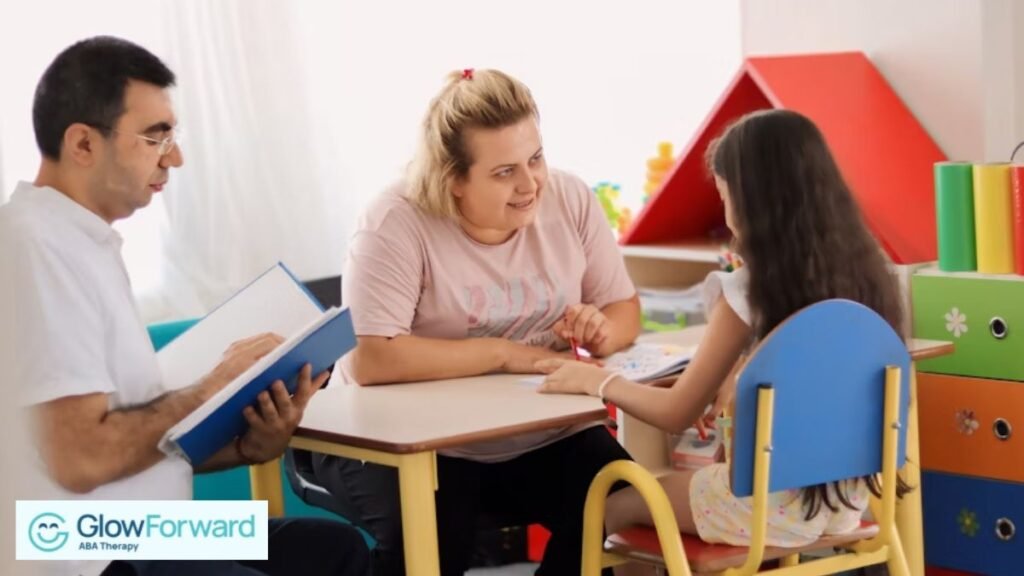
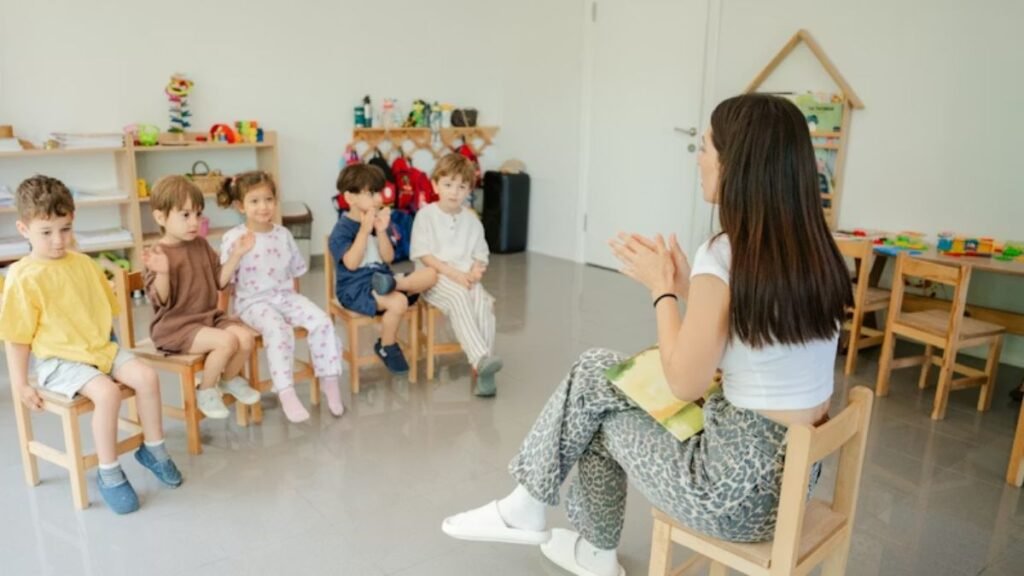
- ABA therapy at home builds independence: In-home ABA therapy can help children build independence through step-by-step routines, visual supports, positive reinforcement, and daily practice in the place where they feel most comfortable.
- Support for parents and families: Glow Forward ABA Therapy in Maryland and North Carolina empowers parents with training and guidance to reinforce skills at home.
Do you live in Maryland or North Carolina and have a child who is struggling to gain independence with skills such as toileting? Glow Forward ABA Therapy can help, but first let us explain why it might be challenging.
Common Reasons for Toileting Challenges in Children with Autism
Toileting can be a significant challenge for children with autism.
Factors such as sensory sensitivities, difficulty recognizing internal body signals (interoception), anxiety with routine changes, and communication barriers often make the process complex.
Physical issues, like chronic constipation, fear of the toilet, or trouble with motor planning, can further complicate training. Fortunately, evidence-based strategies from ABA (Applied Behavior Analysis) therapy can help children master these essential life skills.
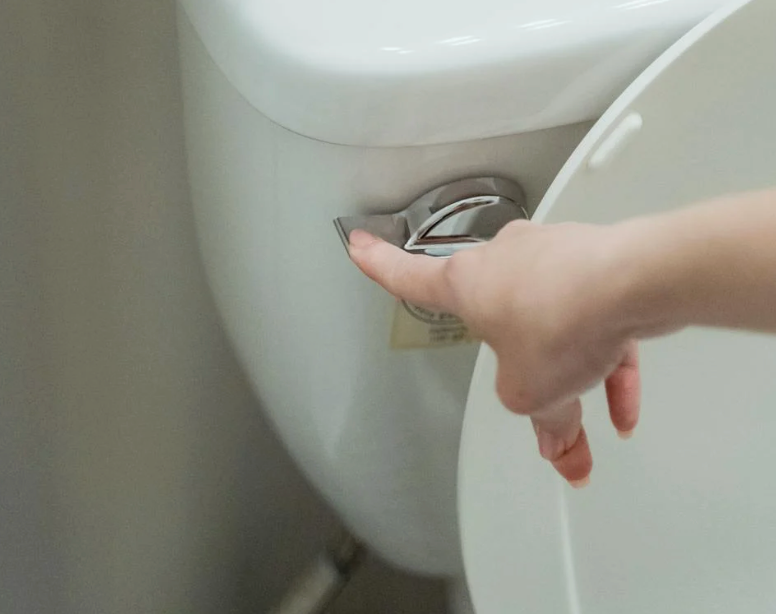
- Sensory Processing Issues: Autistic children may be hypersensitive to bathroom sounds, such as flushing, the feel of the toilet seat, cold floor tiles, or the bathroom smell. Others may be hyposensitive and not know when they are wet or soiled.
- Interoception Deficits: Difficulty recognizing internal bodily signals, such as the urge to urinate or have a bowel movement, is a common issue known as poor interoception, making it challenging for children to know when to use the toilet.
- Anxiety and Need for Routine: Changes in routine, like moving from diapers to the toilet, can trigger high anxiety. Painful previous experiences or fear of “letting go” may lead to long-term refusal.
- Communication Challenges: A child may not understand instructions or communicate the need to use the toilet.
- Gastrointestinal Issues: High rates of constipation or diarrhea can cause discomfort, leading to withholding behaviors and fear of toileting.
- Multistep Process: Toileting involves multiple steps, recognizing the need, stopping an activity, entering the bathroom, undressing, sitting, and cleaning, which can be overwhelming for children with autism.
Signs an Autistic Child Needs Toileting Assistance
- Frequent accidents or soiling of diapers.
- Withholding stool or resisting the bathroom.
- Sensory aversion to flushing, toilet seats, or bathroom smells.
- Lack of awareness of bodily cues (interoception deficits).
- Difficulty transitioning from activities, requiring structured routines and visual supports.
- Regression, such as reverting to diapers after being potty trained.
When to Intervene
- Readiness Issues: Child cannot remain dry for at least an hour, can’t engage in communication, or follow simple toileting directions.
- Distraction Challenges: Difficulty stopping play or screen time to use the toilet.
- Independence Challenges: Needs help with clothing or wiping.
ABA Toilet Training Strategies for Children with Autism
ABA therapy is a highly structured, evidence-based approach that breaks toileting into manageable steps, uses visual supports, and reinforces consistent success.
ABA Therapy Focuses on Toileting With:
- Task Analysis: Break the routine into teachable steps: entering the bathroom, pulling down pants, sitting, urinating, flushing, and washing hands.
- Scheduled Toilet Trips: Begin with frequent intervals (every 10–15 minutes) and gradually increase as the child stays dry.
- Positive Reinforcement: Provide immediate, motivating rewards like snacks, toys, or praise for successful attempts.
- Visual Supports: Use picture schedules, social stories, or cue cards to outline steps and reduce anxiety.
- Data Tracking: Record successes, accidents, and timing to monitor progress and refine strategies.
- Gradual Desensitization: Introduce the child to the bathroom and toilet, addressing sensory sensitivities such as noise or the seat texture.

ABA in Practice: “The Fearful Flusher”
Sarah, a 5-year-old with autism, is terrified of the flushing sound and currently wears diapers. Using ABA toilet training:
Week 1: Preparation
- Identify motivating reinforcers (e.g., Goldfish crackers, iPad bubbles).
- Stand in the bathroom doorway while playing with bubbles.
- Introduce a picture schedule: Walk → Pants Down → Sit → Use Toilet → Flush → Wash Hands.
Weeks 2–3: Routine Implementation
- Schedule bathroom trips every 20 minutes.
- Reward incremental steps: sitting fully clothed, then without clothes.
- Play favorite songs and neutralize fears (e.g., flush later).
Weeks 4–6: Success and Independence
- Increase intervals as Sarah stays dry.
- Teach communication using PECS cards for “I need the bathroom.”
- Gradually fade tangible rewards, keeping praise and larger rewards for major successes.
Outcome: Sarah uses the toilet independently, communicates needs, and has learned to flush safely.

Benefits of Successful Toilet Training
- Independence and Autonomy: Children manage their own needs with less reliance on caregivers.
- Enhanced Self-Esteem: Achieving this milestone boosts confidence.
- Improved Hygiene and Health: Reduces risk of skin infections and complications.
- Greater Social Inclusion: Enables participation in school, daycare, and community activities.
- Financial and Convenience Benefits: Reduces diaper and cleaning supplies costs.
- Reduced Caregiver Burden: Creates predictable routines and eases physical demands on families.
Practical Tips for Parents
- Create Routine & Structure: Schedule toilet sits every 10–15 minutes, slowly increasing intervals as the child succeeds.
- Immediate Reinforcement: Offer highly motivating rewards immediately after successful attempts.
- Use Data & Visuals: Track successes and accidents, use step-by-step pictures or social stories.
- Consistent Environment: Same toilet, terminology, and easy clothing to reduce confusion.
- Manage Accidents Calmly: Avoid negative attention that reinforces accidents.
- Focus on Communication: Encourage verbalization, gestures, or picture cards to communicate the need to use the restroom.
Parents are encouraged to be consistent with toileting techniques even during setbacks to ensure skills generalize to the home environment.

How to Toilet Train an Autistic Child at Home With Help in Maryland and North Carolina
Autism toilet training can be challenging, but with structured ABA strategies, patience, and consistent support, children can gain independence, confidence, and improved hygiene. If you’re wondering how to toilet train an autistic child at home in Maryland or North Carolina, Glow Forward ABA Therapy is here to help.
Our therapy happens in your home, on your schedule, and within your daily life. Sessions are built around your child’s routines, mealtimes, play, and transitions, ensuring every skill learned has real-world relevance. This approach promotes accurate generalization, behavior observation, and stronger long-term outcomes for families across Maryland, Charlotte, Raleigh, and surrounding areas in North Carolina.
We also offer autism assessments, parent training, and telehealth ABA services, so you don’t have to navigate this journey alone.
Contact Glow Forward ABA Therapy near you today to start supporting your child’s independence and success.

FAQs
1. What is ABA toilet training for children with autism?
ABA (Applied Behavior Analysis) toilet training is a structured, evidence-based approach that breaks the toileting process into small, teachable steps. It uses visual supports, scheduled bathroom trips, positive reinforcement, and gradual desensitization to help children gain independence and reduce anxiety.
2. Why does my child with autism struggle with toileting?
Children with autism may face sensory sensitivities (noise, smell, toilet seat feel), interoception difficulties (not recognizing bodily signals), anxiety around routine changes, communication challenges, gastrointestinal issues, or difficulty managing the multiple steps involved in using the toilet.
3. How do I know if my child needs help with toilet training?
Signs include frequent accidents, withholding stool, hiding to poop, regression to diapers, sensory aversion to the bathroom or flushing, difficulty transitioning from activities, and lack of awareness of bodily cues.
4. Can ABA toilet training be done at home?
Yes! ABA therapy can be implemented at home to match your child’s daily routines, mealtimes, play, and transitions. Home-based sessions allow for real-world learning, faster skill generalization, and consistent support for long-term success.
5. How long does ABA toilet training usually take?
The timeline varies depending on the child’s age, sensory sensitivities, and readiness. Many children begin showing progress within a few weeks, while full independence may take several months. Consistency, structured routines, and positive reinforcement are key to success.
6. How can parents support ABA toilet training?
Parents play a critical role. You can reinforce skills using scheduled sits, visual supports like picture schedules or social stories, immediate rewards, calm responses to accidents, and communication tools such as PECS cards. Parent coaching is often provided to ensure strategies are applied consistently.
7. Does Glow Forward ABA Therapy provide support in Maryland and North Carolina?
Yes! Glow Forward ABA Therapy offers in-home therapy, telehealth ABA, autism assessments, and parent training for families across Maryland, Charlotte, Raleigh, and surrounding areas in North Carolina. Sessions are tailored to your child’s routines, making skill-building practical, consistent, and effective.