Key Points:
- Children with autism in Maryland and North Carolina may struggle with communication, social cues, and peer interactions, highlighting the need for targeted autism support.
- Home ABA therapy provides personalized, evidence-based strategies to teach essential social skills in a safe, supportive environment.
- Practicing turn-taking, sharing, and conversation helps children build confidence, independence, and real-world social success with parent education and guidance from Glow Forward ABA Therapy.
Understanding Social Challenges in Autism
Social skills are the foundation of meaningful relationships, communication, and independence. Research shows that for children with autism, developing these skills can be challenging due to neurological differences in processing social cues, sensory input, and communication.
These challenges often involve trouble interpreting body language, eye contact, and tone, combined with high anxiety, a preference for literal communication, and difficulty navigating unpredictable social interactions.
Fortunately, Glow Forward ABA Therapy social skills autism programs provide structured, evidence-based support to help children improve these critical abilities.
Children with autism may face unique social challenges that affect their development.
Common reasons include:
- Difficulty Reading Nonverbal Cues: Understanding facial expressions, gestures, and tone of voice can be difficult.
- Literal Communication Style: Sarcasm, metaphors, and social nuances may be misunderstood.
- Sensory Overload: Loud noises, bright lights, or crowded environments can make social interaction overwhelming.
- Reduced Social Reciprocity: Turn-taking, sharing, and engaging in back-and-forth conversations may be challenging.
- Anxiety and Structure Preferences: Unpredictable social settings can trigger anxiety; many children prefer familiar routines.
- Different Social Motivation: Some children prefer solitary activities or have alternative ways of forming connections.
It’s important to note that these challenges do not indicate a lack of desire for connection, but a different, often overwhelming way of experiencing social communication.
Signs of Autism in Children Struggling with Social Skills
Recognizing autism early can help children access the support they need to thrive. Children with autism may show social challenges that affect communication, play, and peer interaction.
Early Childhood Social Indicators (Toddlers and Young Children)
- Limited Eye Contact: Avoiding or rarely making eye contact with others.
- Reduced Social Response: Not smiling back, waving, or responding to their name by 9–12 months.
- Limited Shared Interest: Rarely pointing at objects to show interest or share enjoyment with others.
- Difficulty with Play: Limited imaginative or pretend play, or a preference for playing alone.
- Missed Social Cues: Difficulty understanding personal space or interrupting conversations.
Social Struggles in School-Aged Children
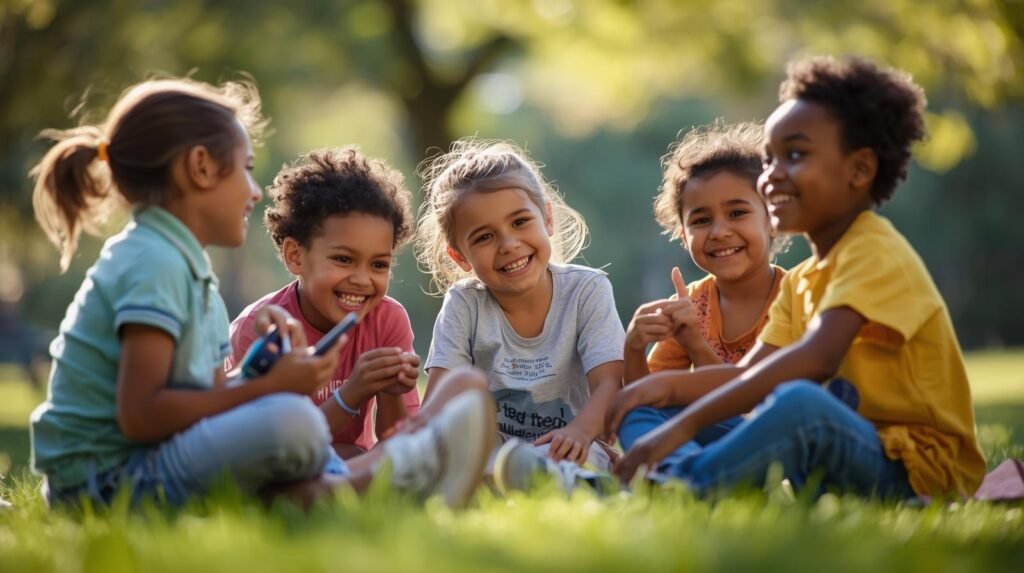
- Difficulty Making Friends: Challenges navigating peer relationships and understanding play “rules.”
- Literal Interpretation: Trouble understanding sarcasm, irony, or teasing.
- Reduced Emotional Understanding: Difficulty recognizing facial expressions, tone of voice, or inferring others’ thoughts.
- Masking or Social Exhaustion: Needing to withdraw after social situations to “recharge.”
- Rigidity in Social Interaction: Appearing overly direct or struggling with the back-and-forth flow of conversation.
Common Communication and Behavioral Differences
- Repetitive Behaviors: Hand flapping, rocking, or other repetitive movements, especially when stressed.
- Intense Interests: Focusing deeply on specific topics or activities.
- Regression: Losing previously acquired social or language skills.
Understanding these signs can help parents and caregivers identify when a child may benefit from support, including social skills training and targeted interventions to improve communication, social engagement, and behavioral independence.
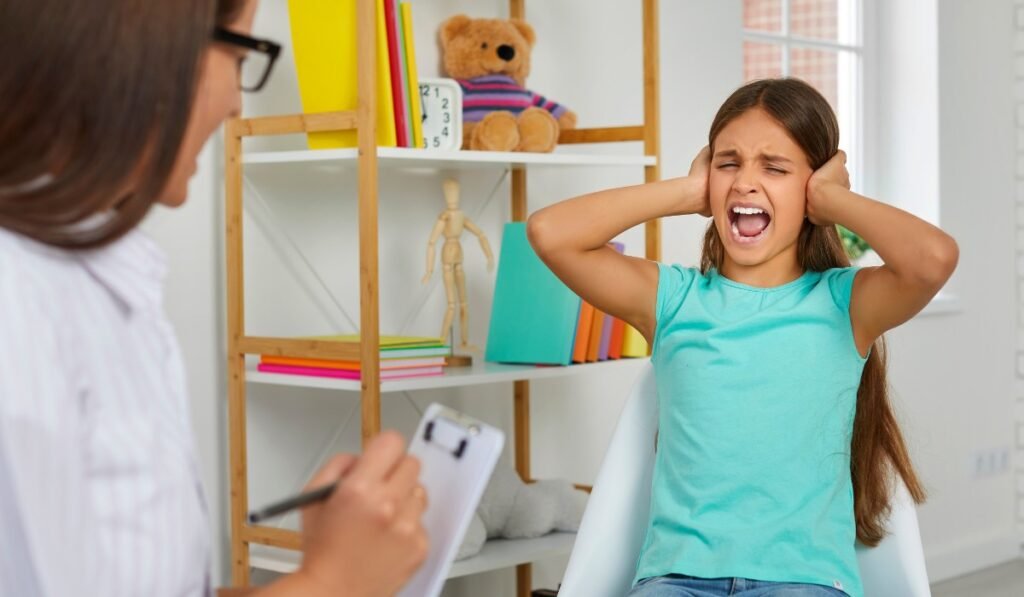
How Home ABA Therapy Supports Social Skills
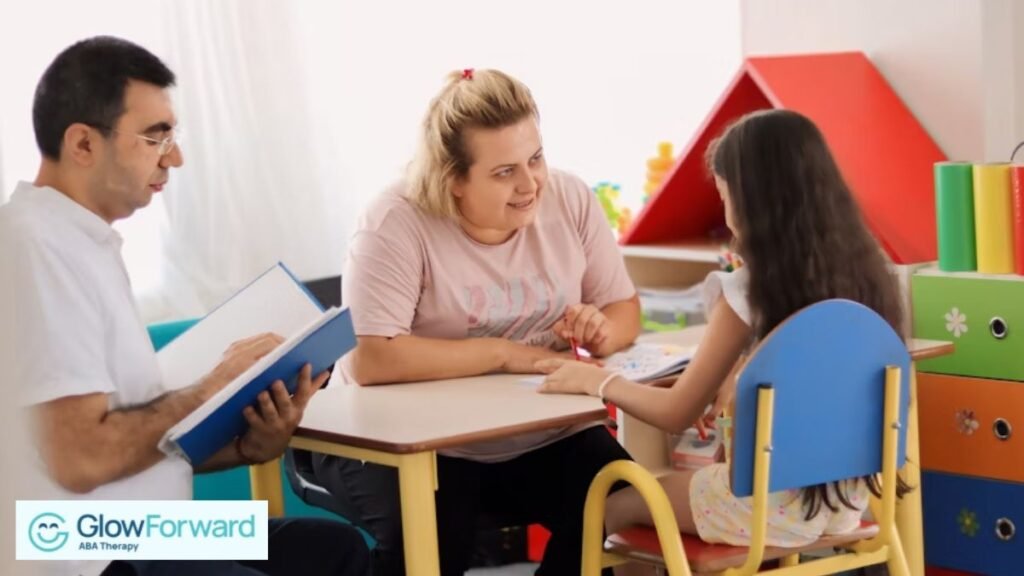
Home ABA therapy helps children with autism develop social skills in a natural, low-pressure environment. By using personalized, evidence-based strategies, children can practice skills such as turn-taking, initiating conversations, and interpreting social cues.
Key Ways Home ABA Therapy Improves Social Skills
- Natural Environment Teaching (NET): Skills are taught within the home or community, such as during playtime or at a local park, helping children apply social skills in real-world situations.
- Role-Playing and Simulation: Children practice social scenarios such as greeting others, sharing toys, or joining play in a safe, supportive setting to build confidence.
- Positive Reinforcement: Desired social behaviors are immediately rewarded, increasing the likelihood that they will be repeated.
- Parental Involvement: Parents learn to model appropriate behaviors and provide consistent reinforcement, ensuring skills are practiced throughout the day.
- Video Modeling: Children watch videos demonstrating appropriate social interactions, such as starting a conversation or showing empathy, and then practice these behaviors.
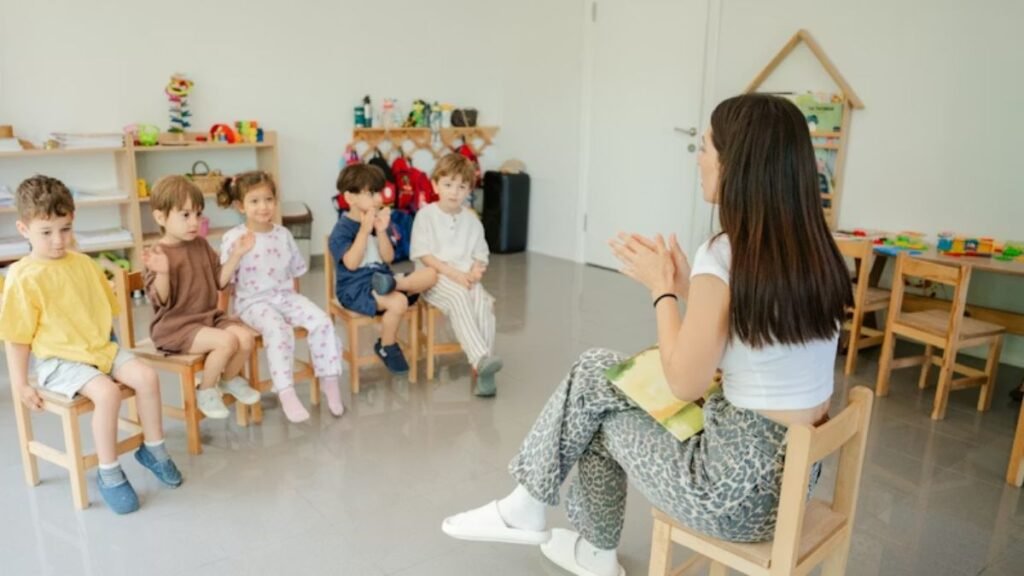
- Structured Peer Interaction: Siblings or peers can be incorporated in guided home activities to teach cooperation, turn-taking, and sharing.
Common Social Skills Targeted
ABA therapy often focuses on helping children develop:
- Sharing and turn-taking
- Starting and maintaining conversations
- Understanding personal space
- Interacting appropriately with peers and adults
- Recognizing and responding to social cues
At Glow Forward ABA Therapy, we tailor interventions to each child’s strengths and needs. Home ABA therapy makes social interactions less overwhelming and more functional, empowering children to build confidence and succeed in everyday social situations.
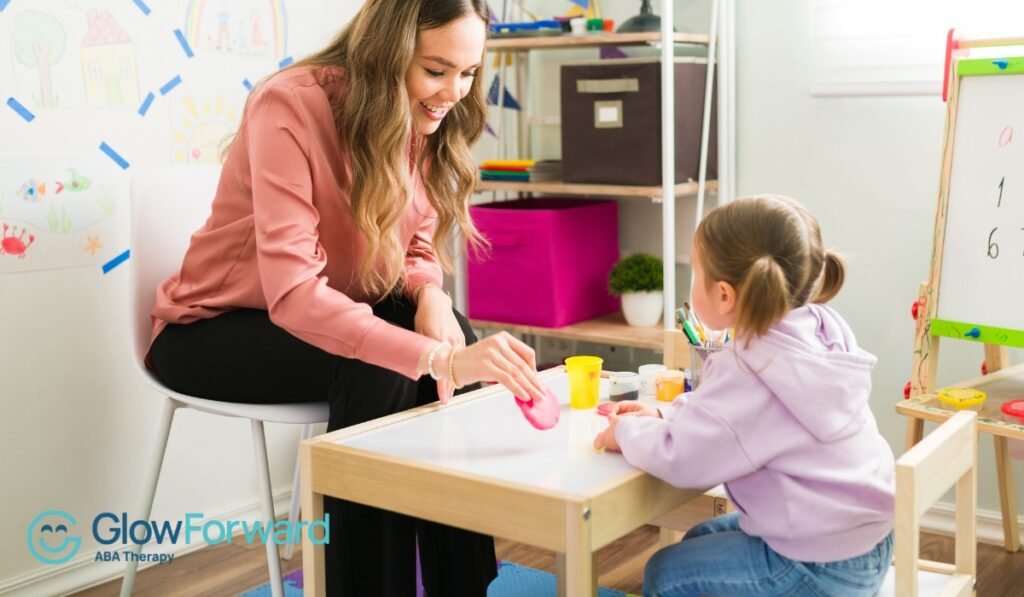
How to Boost Social Skills with In-Home ABA Therapy
Home ABA therapy helps children with autism develop social skills by breaking down interactions into small, manageable steps. Skills such as initiating play, taking turns, or recognizing emotions are taught using positive reinforcement to encourage repetition and confidence.
Therapists often use role-playing, modeling, visual aids, and other strategies to practice greetings, sharing, and conversations in a familiar, comfortable environment.
Scenario: Teaching Turn-Taking During a Game
Goal: The child will take turns playing a board game without frustration for three consecutive turns.
Method (Modeling/Prompting): The therapist plays the game with the child. When it’s the child’s turn, a visual prompt (e.g., pointing) is used alongside verbal cues: “It’s your turn.”
Positive Reinforcement: When the child waits and takes their turn, immediate praise is given, such as: “Great job waiting for your turn!” Tokens can also be used if a token economy is in place.
Generalization: Once mastered with the therapist, siblings, or parents, practice the same skill in natural home settings to reinforce learning.
Key Home ABA Strategies for Social Skills
- Role-Playing: Practice scenarios like sharing toys or playing “store” to develop conversational skills.
- Modeling: The therapist demonstrates phrases such as, “Can I play with you?” before asking the child to try.
- Social Stories: Short, personalized stories explain how to greet friends or handle social situations.
- Visual Aids: Cards showing happy or sad faces help teach emotion recognition.
Positive reinforcement is central to home ABA therapy, ensuring the child feels motivated, confident, and comfortable. This structured, supportive approach increases success in social situations and encourages real-world application of skills.

Benefits of ABA Social Skills Programs
Children receiving ABA social skills North Carolina or teaching social skills autism Maryland programs often experience:
- Improved Communication: Better verbal and nonverbal understanding of tone, facial expressions, and body language.
- Stronger Relationships: Helps build friendships and fosters teamwork.
- Increased Emotional Regulation: Reduces frustration and anxiety during interactions.
- Confidence and Independence: Encourages initiating interactions and handling social situations.
- Enhanced Academic Engagement: Supports cooperation and behavior in the classroom.
Structured social skills training, including role-playing, social stories, and video modeling, allows children to practice interactions safely, making it easier to generalize these skills to real-world situations.
Finding the Right ABA Program in Maryland and North Carolina
Helping your child develop strong social skills is possible with the right support.
We specialize in personalized in-home ABA therapy to help children with autism in Charlotte, Raleigh, and across North Carolina build communication, social, and behavioral skills for lifelong success.
Our ABA therapy services provide structured guidance, peer interaction opportunities, and individualized strategies that empower children to thrive.
Reach out to us today for support, strategies, or to have your questions answered, and take the first step toward your child’s improved social confidence, independence, and lasting relationships.

FAQs
1. What are the common social challenges for children with autism?
Children with autism may struggle with interpreting facial expressions, gestures, and tone of voice, have difficulty taking turns, prefer solitary play, and experience anxiety in unpredictable social situations. They may also take language literally and struggle to understand sarcasm or social nuances.
2. How can I tell if my child might benefit from ABA social skills therapy?
Signs include limited eye contact, not responding to their name, difficulty sharing interest or enjoyment, challenges with turn-taking, struggling to understand social cues, or preferring to play alone. Early recognition can help your child access support sooner.
3. How does home ABA therapy help improve social skills?
Home ABA therapy provides a low-pressure, familiar environment where children can practice social interactions step by step. Techniques include role-playing, modeling, video modeling, social stories, and structured peer interactions. Positive reinforcement encourages repetition and confidence.
4. What social skills are targeted in ABA therapy?
ABA programs focus on skills such as sharing and turn-taking, starting and maintaining conversations, understanding personal space, interacting appropriately with peers and adults, and recognizing and responding to social cues.
5. How does ABA therapy help children generalize skills to real life?
Therapists use Natural Environment Teaching (NET), involve siblings or peers in practice, and coach parents to reinforce skills throughout daily routines. This ensures children can apply learned social behaviors at home, school, and in the community.
6. What is the role of parents in home ABA therapy?
Parents are actively involved in modeling appropriate behaviors, providing consistent reinforcement, and supporting practice outside of therapy sessions. This helps children integrate social skills into everyday life more effectively.
7. How do I get started with ABA social skills therapy in Maryland or North Carolina?
At Glow Forward ABA Therapy, we specialize in helping children in Charlotte, Raleigh, and across North Carolina develop communication, social, and behavioral skills. Find us near you for guidance, strategies, or to have your questions answered.